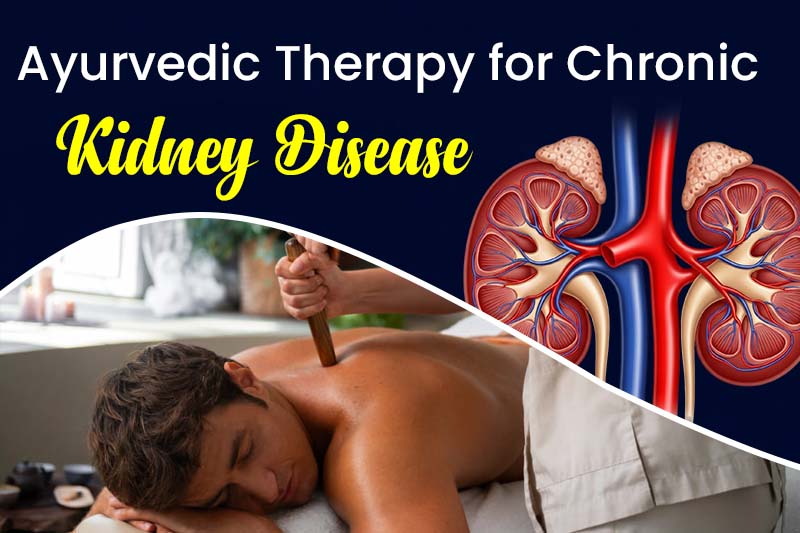
 December 11, 2025
Imagine your kidneys as two busy office employees inside your body. They filter, clean, organize, and basically do all the boring paperwork that keeps you alive. Now imagine those same kidneys saying, “Boss, we’re tired… we need a break.” That, my friend, is Chronic Kidney Disease (CKD).
If you or someone you love is dealing with CKD, I know it can feel scary. But don’t worry; we’re going to take a gentle, positive, and slightly humorous walk through Ayurvedic Therapy for Chronic Kidney Disease, because sometimes a smile is the best medicine (after actual medicine, of course).
Chronic Kidney Disease means your kidneys slowly lose their ability to filter waste from your blood. It doesn’t happen overnight; it’s more like that slow Wi-Fi connection that gets worse every day until you finally throw the router out the window.
CKD has stages, from 1 to 5. In early stages, your kidneys whisper, “Hey, something’s wrong.” In advanced stages, they practically shout, “Bro, help!”
And that’s where Ayurvedic treatment for chronic kidney disease steps in like a calm, wise grandmother with herbal tea and ancient wisdom.
Ayurveda doesn’t treat the kidneys like isolated machines. It says, “Everything in the body is connected—like relatives at a wedding.”
So, the treatment focuses on:
What I love about Ayurvedic Therapy for Chronic Kidney Disease is how gentle yet powerful it is. It doesn’t force the body; it supports it.
Ayurveda uses herbs that naturally support kidney function, reduce inflammation, and help flush out toxins—a kind of CKD Ayurvedic therapy that works in harmony with your body.
Some well-known ones are:
Important: Don’t try to become a scientist and mix everything on your own; always consult an Ayurvedic doctor so you get the right combination and dosage.
Think of Panchakarma as a spa day for your organs—but scientifically designed. Common procedures for CKD include:
These therapies help improve metabolism, reduce fluid retention, and support kidney healing—making them a gentle natural treatment for chronic kidney disease.
These are special herbal formulations that help rebuild tissues and boost immunity. Think of them as “energy boosters” for tired kidneys and an overworked body.
Ayurveda says, “Your diet is your first medicine.” For CKD patients, the diet usually focuses on:
Yes, I know, saying no to heavy food feels harder than saying no to gossip—but your kidneys will feel the difference.
Ayurveda asks you to treat your body like a temple. Not a nightclub.
These simple habits can do wonders in preventing progression of CKD and supporting Ayurvedic remedies for kidney health.
Yes—especially when started early. Many patients have seen improvement in:
But remember: Ayurveda is not an overnight miracle. It’s more like growing a plant—slow, gentle, and long-lasting.
And because CKD is serious, always follow your nephrologist’s advice too. Ayurveda + modern medicine can work beautifully together when guided properly.
CKD can feel overwhelming, but Ayurveda gives hope—not through magic, but through balance, nature, and consistency. Your kidneys may be tired employees, but with the right support, they can absolutely get back to work with more energy and less stress.
With kidney disease treatment Ayurveda, holistic practices, and consistent care, healing becomes smoother. And when you follow it with patience (and maybe a little humor), your kidneys might even say, “Thank you, boss! We’re back!”
Both help in different ways. Allopathy manages symptoms fast, while Ayurveda supports long-term healing and lifestyle balance. Many people use both together after consulting their doctor.
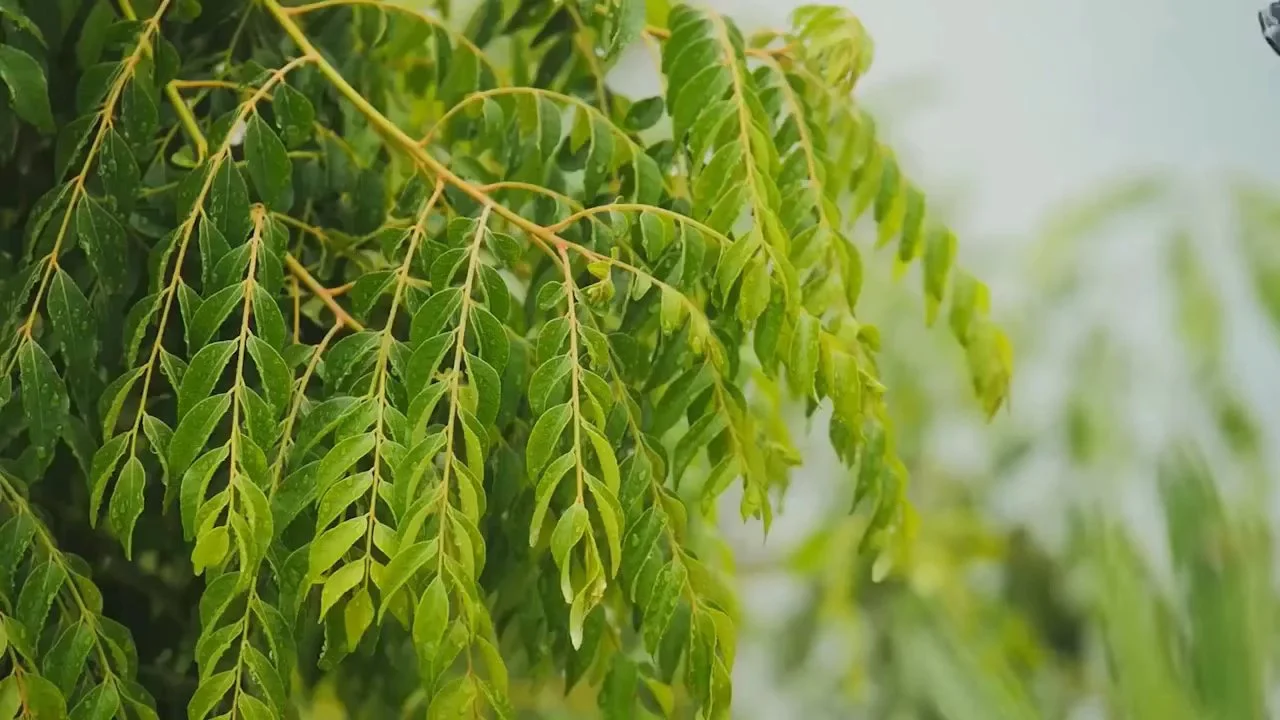
Common options include Punarnava, Gokshura, Varunadi Kwath, Chandraprabha Vati, and herbal kidney tonics.
Most are mild—like stomach upset or loose motion—if taken correctly. Avoid poorly formulated Ayurvedic medicines and always consult an expert.
Take care of your kidneys—they’ve been working overtime for you! ♡



At Karma Ayurveda, every patient is treated with care, honesty, and respect. Our team guides you at every step, from the first consultation to regular follow-ups, so you always feel supported on your wellness journey. Visit Karma Ayurveda and experience the riches of natural healing in its true form.

100 Church Street, Suite 800, New York, NY 10007

+1 9298008690
Copyright © 2026. All Right Reserved. Karma Ayurveda