 August 31, 2026
What Is Acute Kidney Injury?
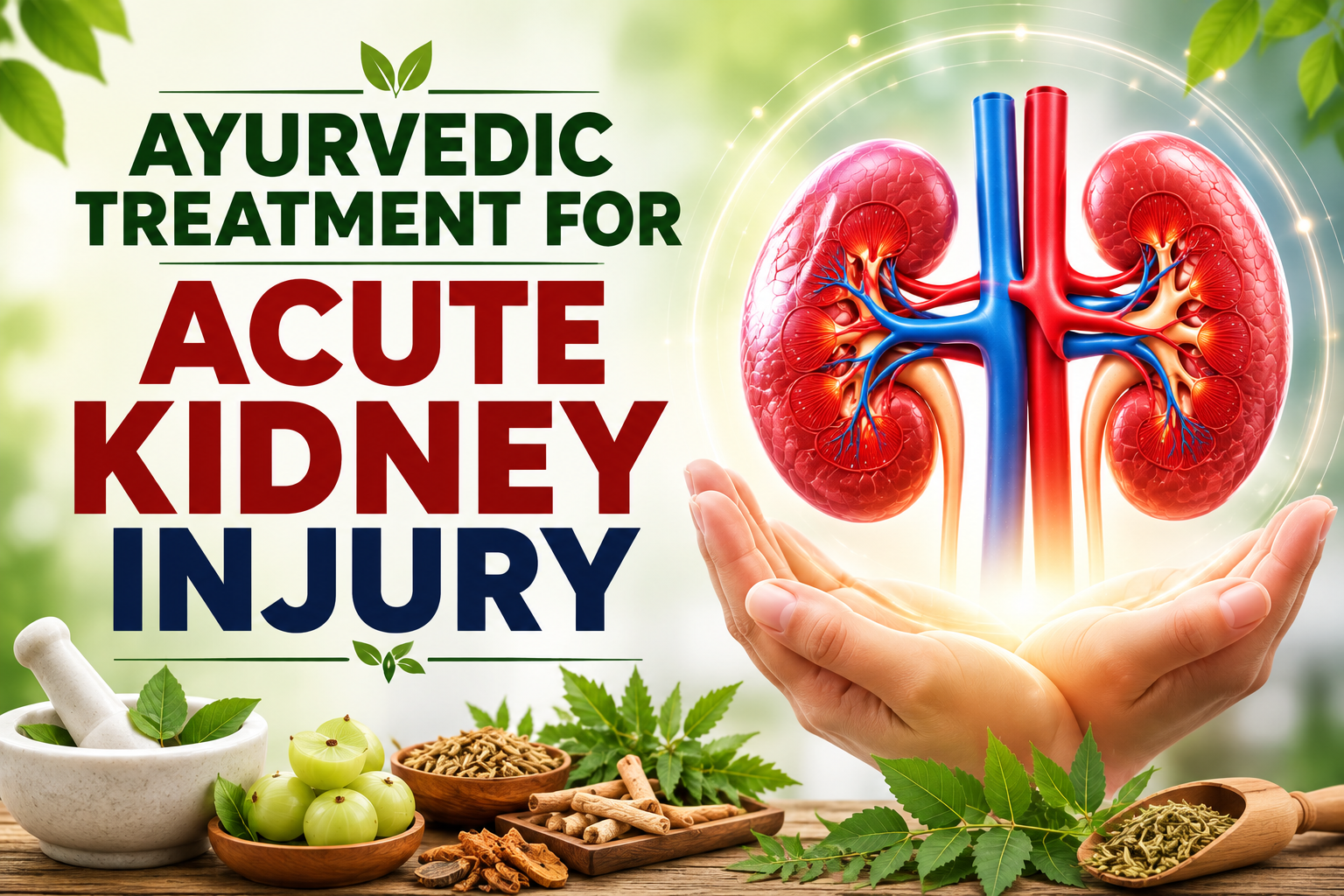
Acute Kidney Injury (AKI) is a sudden decline in kidney function that can develop over hours or days. Unlike chronic kidney disease, which generally develops gradually, AKI can occur when the kidneys are affected by severe dehydration, infection, low blood pressure, certain medicines, urinary obstruction, or other conditions that interfere with normal kidney function. Because the kidneys remove waste products, regulate fluids and electrolytes, and help maintain important chemical balances in the body, a sudden decline in their function can become serious quickly. AKI may be reversible when its underlying cause is identified and treated promptly, although some people can experience lasting kidney damage or develop chronic kidney disease afterward. Treatment depends on the cause and severity and may involve correcting fluid or blood-pressure problems, treating infection, addressing urinary obstruction, reviewing medications, managing electrolyte abnormalities, and using dialysis when medically necessary.
What Is Ayurvedic Treatment for Acute Kidney Injury?
When people search for Ayurvedic treatment for acute kidney injury, they are often interested in natural or holistic approaches that may support overall kidney wellness. Ayurveda traditionally emphasizes individualized diet, lifestyle, daily routines, herbal preparations, and other traditional practices based on a person's health needs. At Karma Ayurveda, with Dr. Puneet Dhawan at the helm, the organization describes its approach as providing personalized natural care for health disorders. However, AKI is different from many long-term health concerns because it can represent an urgent medical condition. There is not enough reliable clinical evidence to establish Ayurveda as a cure for acute kidney injury or as a replacement for medical treatment. Therefore, any Ayurvedic approach should be considered complementary and discussed with the treating healthcare team rather than used instead of appropriate medical care.
Can Ayurveda Cure Acute Kidney Injury?
Ayurveda should not be presented as a proven cure for acute kidney injury. AKI can have many different causes, and effective management depends on identifying and correcting the underlying problem as quickly as possible. Medical treatment may involve carefully managing fluids, treating infections, correcting blood-pressure abnormalities, relieving urinary obstruction, adjusting medicines that may affect the kidneys, and managing changes in electrolytes or acid-base balance. In severe cases, temporary dialysis may be required while the kidneys recover. Because AKI can progress rapidly, delaying medical treatment in favor of an unproven remedy can increase health risks. People interested in Ayurvedic care should first receive appropriate medical evaluation and then discuss complementary approaches with qualified healthcare professionals.
How Can Ayurvedic Care Support Kidney Recovery?
Once the immediate cause of AKI has been medically assessed and the patient is stable, complementary wellness practices may be considered as part of an individualized recovery plan. These may include appropriate nutrition, adequate rest, stress-management practices, gentle physical activity when medically suitable, and healthy daily routines. However, recovery needs differ considerably between individuals. A person recovering from AKI may have specific requirements for fluids, sodium, protein, potassium, or phosphorus depending on kidney function, urine output, medications, and laboratory results. Herbal preparations also require caution because some products may contain substances that are unsuitable for injured kidneys or may interact with prescription medicines. For this reason, people should not self-prescribe herbal remedies or assume that a natural product is automatically safe during kidney recovery.
Why Is Early Medical Treatment Important for AKI?
Early treatment is particularly important because acute kidney injury can worsen over a short period and may not always cause obvious symptoms during its early stages. Depending on its severity, AKI may be associated with reduced urine output, swelling, fatigue, nausea, confusion, shortness of breath, or changes in blood chemistry. Healthcare professionals may use blood tests, urine tests, imaging, blood-pressure measurements, medication reviews, and other evaluations to identify the cause and determine the severity of kidney injury. Treatment is then directed toward correcting the underlying problem and preventing additional kidney damage. In severe cases, kidney replacement therapy such as dialysis may be necessary. Even after the immediate problem improves, follow-up is important because an episode of AKI can increase the risk of future kidney problems.
What Diet Is Recommended During AKI Recovery?
There is no single diet that is appropriate for everyone recovering from acute kidney injury. Nutritional needs depend on kidney function, urine production, electrolyte levels, the cause of AKI, medications, and whether dialysis is being used. Some people may need temporary adjustments to sodium, potassium, phosphorus, protein, or fluid intake, while others may have different requirements. Drinking excessive amounts of water without medical advice is not necessarily beneficial and may be harmful if the kidneys cannot remove enough fluid. Similarly, fasting, juice cleanses, concentrated herbal drinks, and unverified “kidney detox” programs should not be used as substitutes for medical treatment. A healthcare professional or renal dietitian can help determine an appropriate nutritional plan based on current kidney function and laboratory results.
What Happens After Acute Kidney Injury?
Recovery from AKI can vary considerably from person to person. Some individuals may regain much of their previous kidney function, while others can be left with persistent kidney impairment or develop chronic kidney disease. Recovery may depend on factors such as the cause and severity of AKI, previous kidney health, age, other medical conditions, and how quickly treatment was started. For this reason, follow-up should continue even when symptoms have improved. Healthcare professionals may repeat blood and urine tests, monitor blood pressure, review medications, and assess whether kidney function has returned toward its previous level. Maintaining healthy lifestyle habits and following individualized medical and dietary recommendations can support long-term kidney health after an AKI episode.
Conclusion
Acute Kidney Injury is a potentially serious condition that requires timely diagnosis and appropriate medical treatment. While Ayurveda may be explored as complementary support for nutrition, lifestyle, stress management, and general wellness during recovery, it should not be promoted as a proven cure for AKI or as an alternative to urgent medical care. At Karma Ayurveda, under the guidance of Dr. Puneet Dhawan, individuals may explore personalized Ayurvedic wellness support alongside appropriate medical supervision. The safest approach is to identify and treat the cause of AKI, protect the kidneys from further injury, follow individualized dietary and medication recommendations, and continue kidney-function monitoring after recovery. This balanced approach keeps patient safety, informed decision-making and long-term kidney health at the centre of care.
Medical Disclaimer
This blog is intended for general educational purposes only. It does not provide individual diagnosis or treatment. Sexual-health and fertility concerns can have different causes, so personalised advice should be obtained from a qualified healthcare professional.
Talk to Our Expert about Your Concern
FAQS
1. Can Ayurveda cure acute kidney injury?
There is currently no established clinical evidence that Ayurveda can cure acute kidney injury or replace medical treatment for AKI. Because AKI can result from serious conditions such as infection, dehydration, low blood pressure, medication-related injury, or urinary obstruction, identifying and treating the underlying cause is essential. Ayurvedic wellness practices should only be considered complementary and should never delay appropriate medical evaluation.
2. Is Ayurvedic medicine safe during acute kidney injury?
Not necessarily. When the kidneys are acutely injured, their ability to eliminate certain substances may be reduced. Some herbal products can potentially affect kidney function, contain unwanted ingredients, or interact with prescription medicines. Anyone with AKI should discuss all herbal products and supplements with their doctor or nephrologist before using them.
3. Can kidney function return to normal after AKI?
Kidney recovery varies according to the cause, severity, previous kidney health, and other individual factors. Some people recover substantially, while others may have continuing kidney impairment or develop chronic kidney disease. Follow-up testing is therefore important even after a person begins feeling better.
4. What should I eat during acute kidney injury recovery?
The appropriate diet depends on kidney function, urine output, electrolyte levels, medications, and the underlying cause of AKI. Some patients may require changes to sodium, potassium, phosphorus, protein, or fluid intake. A healthcare professional or renal dietitian should provide individualized dietary recommendations rather than relying on a general kidney diet.
5. Can I use Ayurveda along with AKI treatment?
Ayurvedic care may be considered as complementary wellness support after appropriate medical evaluation, but it should not replace treatment for the acute condition. Patients should tell their healthcare providers about all Ayurvedic medicines, herbs, supplements, and traditional therapies they are considering. This allows potential interactions and kidney-related risks to be assessed properly.



Karma Ayurveda, established in 1937, is the leading natural healthcare provider in the country. Visit us and experience the riches of natural healing in its true color.

100 Church Street, Suite 800, New York, NY 10007

+1 9298008690
Copyright © 2026. All Right Reserved. Karma Ayurveda