 September 01, 2026
What Are Kidney Stones?
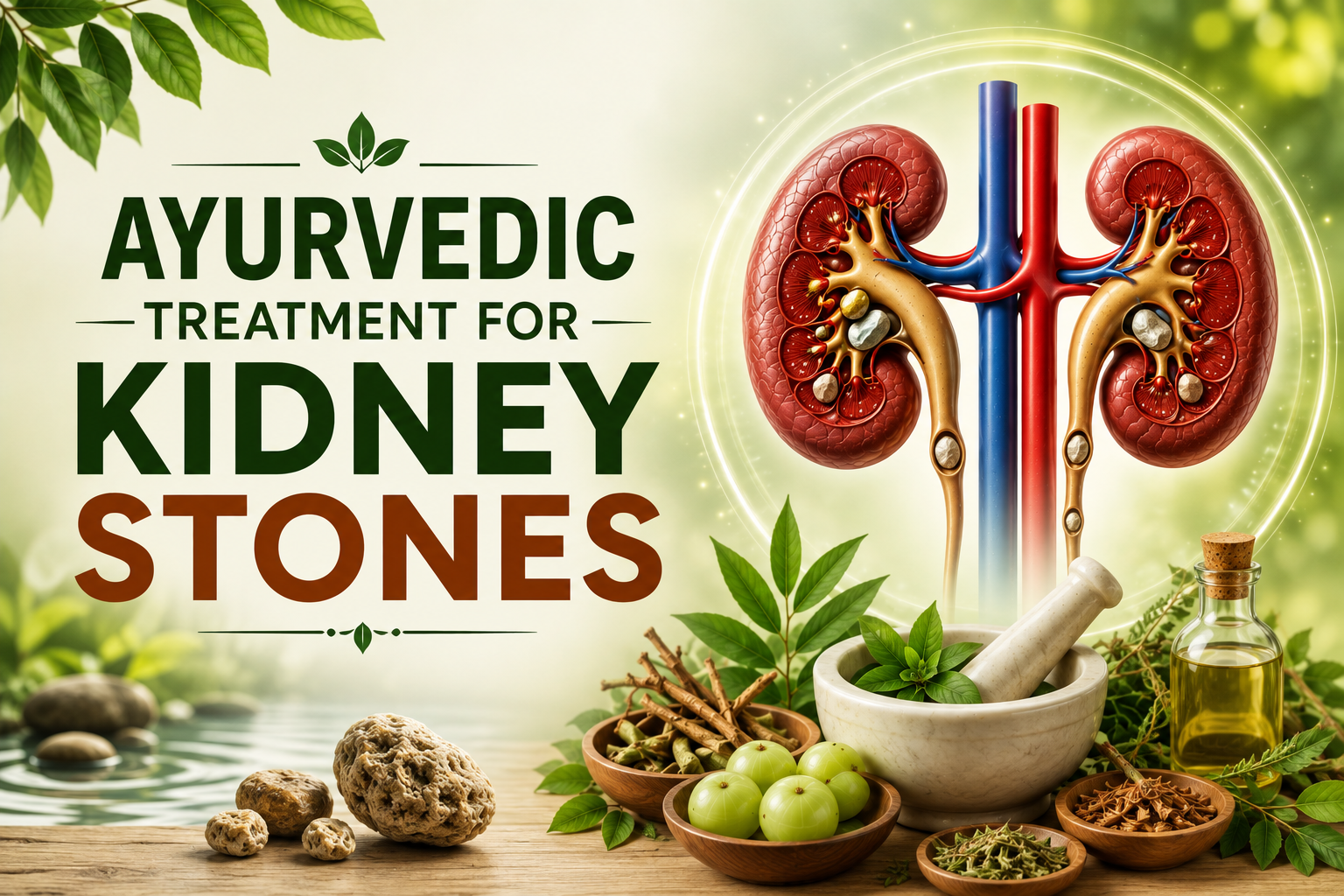
Kidney stones are hard, crystalline deposits that develop when certain minerals and salts in urine become highly concentrated and form crystals. Stones can remain in the kidney without causing noticeable symptoms, but when they move into the urinary tract, they may cause intense pain, particularly in the back, side, lower abdomen, or groin. Other symptoms can include painful urination, frequent urination, nausea, vomiting, or blood in the urine. Kidney stones can vary in size and composition, with calcium stones being the most common type. Other types include uric acid, struvite, and cystine stones. The causes can vary from inadequate fluid intake and dietary factors to certain metabolic conditions, medications, family history, and recurrent urinary infections. Understanding the type and cause of a stone is important because treatment and prevention strategies can differ from one person to another.
What Is Ayurvedic Treatment for Kidney Stones?
When people search for Ayurvedic treatment for kidney stones, they are generally looking for a natural and holistic approach to managing stone-related concerns. Ayurveda traditionally emphasizes individualized diet, lifestyle, herbs, and daily routines according to a person's overall health and constitution. At Karma Ayurveda, with Dr. Puneet Dhawan at the helm, the organization describes its approach as providing personalized natural care for health disorders. Ayurvedic care may be considered as complementary support for kidney wellness, hydration habits, nutrition, and lifestyle management. However, it is important not to assume that every kidney stone can be treated with herbs alone. The appropriate approach depends on the stone's size, location, composition, symptoms, and whether complications such as infection or urinary obstruction are present. Medical evaluation is particularly important when pain is severe or symptoms are accompanied by fever, vomiting, or difficulty passing urine.
Can Ayurveda Help With Kidney Stones?
Ayurvedic approaches may be explored as complementary care for people with kidney stones, particularly when the goal is to support healthy dietary and lifestyle habits and reduce factors associated with recurrent stones. Traditional Ayurvedic practice includes various herbs and formulations that are used for urinary and kidney health, but the evidence supporting specific Ayurvedic products for dissolving or eliminating kidney stones varies and is not sufficient to guarantee that a particular remedy will work. Stone size and location are especially important when deciding whether observation, medication, a procedure, or another treatment is appropriate. Small stones may sometimes pass naturally, whereas larger stones or stones causing obstruction may require medical intervention. Anyone considering Ayurvedic medicines should discuss them with a qualified healthcare professional, especially if they have kidney disease, take prescription medicines, are pregnant, or have other medical conditions.
Why Is Hydration Important for Kidney Stones?
Adequate fluid intake is one of the most important lifestyle considerations for preventing many types of kidney stones because drinking enough water helps dilute substances in urine that can form crystals. However, fluid requirements should be individualized, particularly for people who have reduced kidney function, heart problems, or other conditions that affect fluid balance. Simply drinking excessive quantities of water is not a guaranteed treatment for an existing stone and can be unsafe in some circumstances. For people who are prone to recurrent stones, healthcare professionals may recommend maintaining sufficient fluid intake throughout the day and paying attention to urine concentration. Dietary habits may also need adjustment depending on the type of stone. For example, reducing excessive sodium intake can be helpful for many people because high sodium consumption can increase urinary calcium. A healthcare professional can provide more specific recommendations after evaluating the individual's stone history.
What Diet Is Recommended for Kidney Stones?
The best diet for kidney stone prevention depends partly on the type of stone and the individual's risk factors. A balanced eating pattern with appropriate fluid intake is generally important, while excessive sodium intake may increase the risk of certain calcium-containing stones. People should also be cautious about unnecessarily eliminating calcium-rich foods because dietary calcium can have a protective role for many calcium stone formers. Instead, dietary changes should be based on medical evaluation, urine testing, and the identified stone type whenever possible. Depending on the situation, healthcare professionals may recommend changes involving animal protein, oxalate-rich foods, sodium, calcium, or other dietary factors. Ayurvedic dietary principles can potentially be incorporated into an individualized nutrition plan, but they should not result in extreme restrictions, prolonged fasting, or unverified detox diets that could create nutritional or fluid-balance problems.
When Should Kidney Stones Receive Medical Treatment?
Not every kidney stone requires an invasive procedure, but some stones need prompt medical attention. Severe or persistent pain, fever or chills, repeated vomiting, blood in the urine, difficulty passing urine, or symptoms suggesting infection or obstruction should not be managed solely with home remedies. A blocked urinary tract combined with infection can become a medical emergency. Healthcare professionals may use urine tests, blood tests, ultrasound, CT imaging, or other investigations to determine the stone's size, location, and potential impact on the urinary tract. Depending on the circumstances, treatment can include pain management, medicines that help stone passage in selected cases, shock-wave treatment, ureteroscopy, or other procedures. Complementary Ayurvedic care should never delay treatment when a stone requires urgent medical intervention.
How Can Ayurvedic Lifestyle Practices Support Kidney Health?
A healthy daily routine can complement conventional kidney stone prevention strategies. This may include maintaining appropriate hydration, eating a balanced diet, limiting excessive salt and highly processed foods, maintaining a healthy body weight, staying physically active, and following a consistent sleep routine. Ayurveda also places emphasis on mindful eating and individualized lifestyle practices, which may help people develop sustainable habits. However, herbal remedies should not be selected solely based on online claims or testimonials. The composition, dosage, purity, and potential interactions of herbal preparations can vary considerably. People with a history of kidney stones can benefit from discussing their individual risk factors with a healthcare professional and, when appropriate, undergoing evaluation to determine why stones are forming. Addressing the underlying risk factors is generally more useful for long-term prevention than relying on a single “stone-breaking” remedy.
Conclusion
Kidney stones can be painful and may recur when the underlying risk factors are not addressed. Ayurvedic treatment for kidney stones may be explored as complementary support for healthy diet, hydration, lifestyle, and overall kidney wellness, but it should not be presented as a guaranteed cure or replacement for medical treatment. At Karma Ayurveda, under the guidance of Dr. Puneet Dhawan, individuals may explore personalized Ayurvedic wellness support according to their health needs. The safest approach is to determine the size and type of kidney stone, identify potential causes, maintain appropriate hydration and dietary habits, and seek timely medical care when symptoms indicate a possible obstruction or infection. Combining responsible complementary care with appropriate medical evaluation can help support long-term urinary and kidney health.
Medical Disclaimer
This blog is intended for general educational purposes only. It does not provide individual diagnosis or treatment. Sexual-health and fertility concerns can have different causes, so personalised advice should be obtained from a qualified healthcare professional.
Talk to Our Expert about Your Concern
FAQs
1. Can Ayurveda dissolve kidney stones?
There is not enough high-quality clinical evidence to confirm that Ayurvedic medicines can reliably dissolve all types of kidney stones. Some stones may pass naturally depending on their size and location, while others may require medical treatment or a procedure. Ayurvedic care should therefore be considered complementary and should not replace appropriate evaluation.
2. What is the best Ayurvedic treatment for kidney stones?
There is no single Ayurvedic treatment that is appropriate for everyone with kidney stones. Traditional Ayurvedic care is generally individualized according to the person's overall health and symptoms. Any herbal preparation should be selected under qualified professional guidance and discussed with a healthcare provider to ensure that it is appropriate and does not interfere with other treatment.
3. Can drinking water remove kidney stones?
Adequate hydration can help dilute urine and may support the natural passage of some smaller stones, but water does not guarantee that an existing stone will pass. Drinking excessive amounts of water can also be inappropriate for some people. Fluid intake should therefore be individualized according to medical advice and kidney function.
4. What foods should be avoided with kidney stones?
Food recommendations depend on the type of stone and the person's individual risk factors. Excessive sodium intake is commonly discouraged, while unnecessary restriction of dietary calcium is generally not appropriate for many calcium stone formers. Additional dietary changes may be recommended based on urine testing and stone composition.
5. When should I see a doctor for kidney stones?
Seek prompt medical attention if kidney stone symptoms are accompanied by fever, chills, severe or persistent pain, repeated vomiting, difficulty urinating, or other concerning symptoms. These may indicate infection, obstruction, or another complication that requires medical treatment. Complementary Ayurvedic care should not delay urgent evaluation.



Karma Ayurveda, established in 1937, is the leading natural healthcare provider in the country. Visit us and experience the riches of natural healing in its true color.

100 Church Street, Suite 800, New York, NY 10007

+1 9298008690
Copyright © 2026. All Right Reserved. Karma Ayurveda