 September 04, 2026
What Is Nephrotic Syndrome?
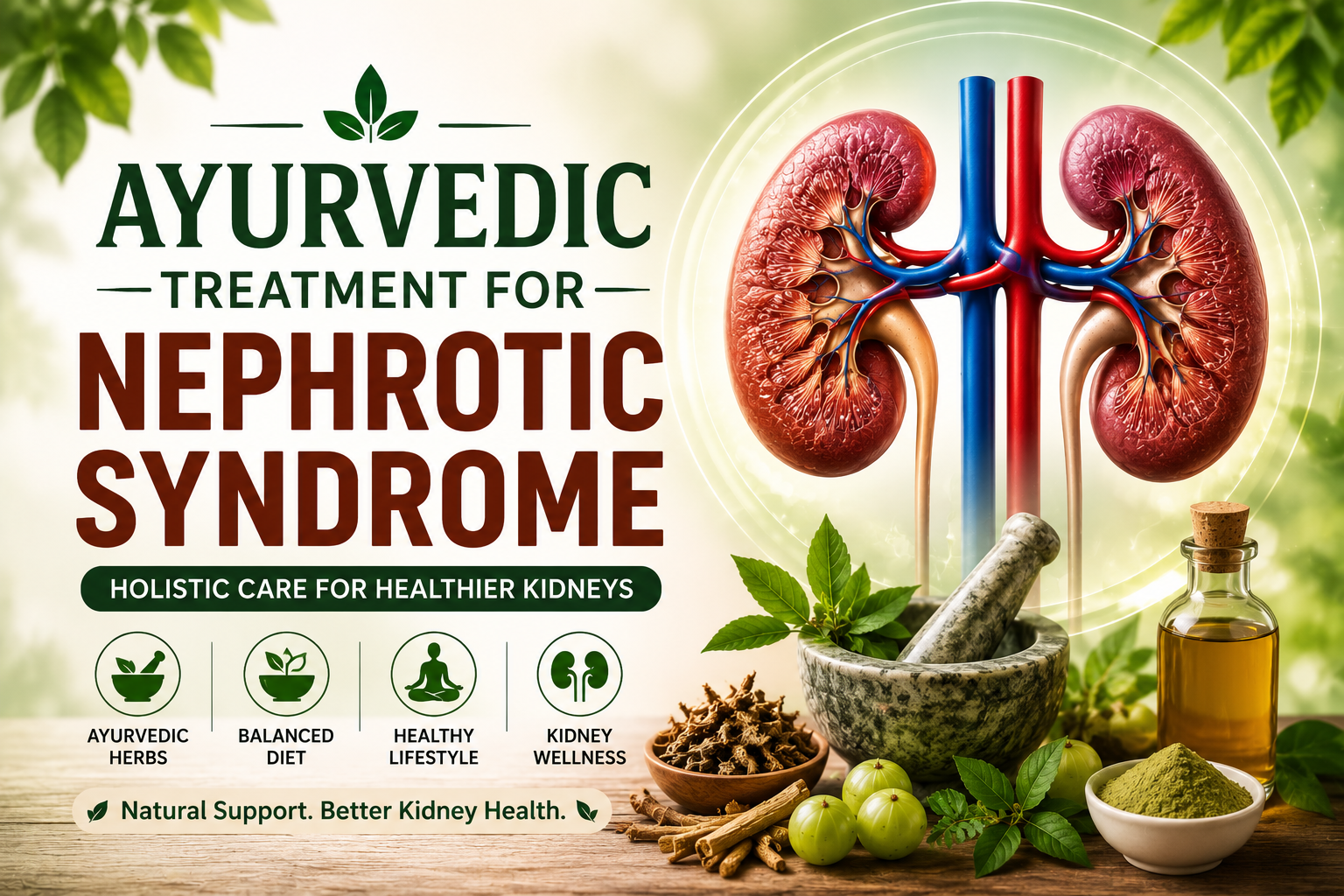
Nephrotic Syndrome is a kidney condition characterized by significant protein loss through the urine, low levels of albumin in the blood, swelling in different parts of the body, and increased levels of cholesterol or other blood lipids in some patients. It occurs when the kidney's filtering structures, called glomeruli, become damaged and allow excessive protein to pass into the urine. The condition can develop because of several underlying kidney diseases or systemic health conditions. Common signs include swelling around the eyes, ankles, legs, or abdomen, foamy urine, tiredness, and unexplained weight gain caused by fluid retention. Because nephrotic syndrome can have different causes and may lead to complications, identifying the underlying condition and monitoring kidney function are important parts of appropriate care.
What Is Ayurvedic Treatment for Nephrotic Syndrome?
When people search for Ayurvedic treatment for nephrotic syndrome, they are generally looking for a natural and holistic approach to kidney wellness. Ayurveda traditionally focuses on individualized diet, lifestyle, daily routines, and herbal preparations according to a person's health needs. At Karma Ayurveda, with Dr. Puneet Dhawan at the helm, the organization describes its approach as providing personalized natural care for health disorders. Ayurvedic care may be explored as complementary support for lifestyle and dietary management, but there is currently insufficient clinical evidence to establish Ayurveda as a cure for nephrotic syndrome or as a replacement for evidence-based medical treatment. Anyone considering Ayurvedic therapies should work with qualified professionals and continue appropriate kidney monitoring.
Can Ayurveda Cure Nephrotic Syndrome?
Ayurveda should not be presented as a proven cure for nephrotic syndrome. Treatment depends on the underlying cause, the severity of protein loss, kidney function, age, and other individual health factors. Conventional medical care may involve medicines to control blood pressure and protein loss, corticosteroids or other immune-modifying medicines for selected causes, cholesterol management, dietary measures, and treatment of complications. Some patients may require specialized nephrology care when kidney function is significantly affected. Ayurvedic approaches should therefore be considered complementary rather than a substitute for prescribed treatment. Patients should never stop medicines or delay medical evaluation because of claims that a natural therapy can permanently reverse nephrotic syndrome.
How Can Ayurveda Support Kidney Wellness?
A personalized Ayurvedic wellness approach may emphasize balanced nutrition, appropriate physical activity, adequate rest, stress management, and healthy daily routines. These measures can support general health while a person follows their medical treatment plan. However, dietary and lifestyle recommendations should be individualized because nephrotic syndrome can cause fluid retention and changes in protein, cholesterol, and electrolyte balance. Herbal medicines also require caution because some products may interact with prescription medicines or contain ingredients unsuitable for people with kidney disease. Patients should therefore discuss any Ayurvedic medicine, supplement, or herbal preparation with their healthcare provider before use.
What Diet Is Suitable for Nephrotic Syndrome?
Dietary requirements for nephrotic syndrome vary according to kidney function, degree of swelling, blood pressure, protein loss, cholesterol levels, and other medical factors. Reducing excessive sodium intake may be recommended for people experiencing fluid retention or high blood pressure, while protein intake should be individualized rather than increased excessively without professional advice. Potassium, phosphorus, and fluid intake may also require adjustment in certain situations. A kidney dietitian can help create a suitable nutrition plan based on laboratory results and medical needs. Extreme fasting, restrictive detox diets, or excessive herbal drinks should be avoided unless specifically recommended by a qualified healthcare professional.
Why Is Regular Kidney Monitoring Important?
Regular monitoring is essential because nephrotic syndrome can change over time and may affect kidney function. Healthcare professionals may monitor urine protein, blood albumin, kidney-function measurements, blood pressure, cholesterol, body weight, and swelling. Monitoring also helps doctors determine whether treatment is working and identify complications early. People with nephrotic syndrome may have an increased risk of infections, blood clots, fluid-related problems, and kidney-function decline depending on the underlying condition. Continuing medical follow-up is therefore important even when symptoms improve.
Conclusion
Nephrotic Syndrome requires careful evaluation because significant protein loss and fluid retention can affect overall health and kidney function. Ayurvedic treatment for nephrotic syndrome may be explored as complementary support for personalized diet, lifestyle, and general wellness, but it should not be promoted as a guaranteed cure or replacement for medical treatment. At Karma Ayurveda, under the guidance of Dr. Puneet Dhawan, individuals may explore personalized Ayurvedic wellness support alongside appropriate medical supervision. The safest approach is to identify the underlying cause, monitor kidney function and urine protein regularly, follow an appropriate diet, manage complications, and discuss all complementary therapies with qualified healthcare professionals.
Medical Disclaimer
This blog is intended for general educational purposes only. It does not provide individual diagnosis or treatment. Sexual-health and fertility concerns can have different causes, so personalised advice should be obtained from a qualified healthcare professional.
Talk to Our Expert about Your Concern
FAQs
1. Can Ayurveda cure nephrotic syndrome?
There is insufficient clinical evidence to establish Ayurveda as a cure for nephrotic syndrome. Ayurvedic care may be considered complementary support for lifestyle and wellness but should not replace appropriate medical treatment or kidney monitoring.
2. Is Ayurvedic medicine safe for nephrotic syndrome?
Safety depends on the individual's kidney function, medicines, underlying condition, and the specific product being used. Some herbs can interact with medicines or may be unsuitable for people with kidney disease, so professional guidance is important.
3. What foods should be avoided in nephrotic syndrome?
Excessive sodium is commonly discouraged, particularly when swelling or high blood pressure is present. Protein, potassium, phosphorus, and fluid requirements should be individualized according to kidney function and laboratory results.
4. Can nephrotic syndrome damage the kidneys?
Yes. Depending on its underlying cause and severity, nephrotic syndrome can be associated with worsening kidney function. Regular medical monitoring can help detect changes and guide treatment.
5. Can Ayurveda be used with conventional nephrotic syndrome treatment?
Complementary Ayurvedic care may be considered when coordinated with appropriate medical treatment. Patients should inform their healthcare providers about all herbs, supplements, and traditional therapies they use to reduce the risk of interactions.




Karma Ayurveda, established in 1937, is the leading natural healthcare provider in the country. Visit us and experience the riches of natural healing in its true color.

100 Church Street, Suite 800, New York, NY 10007

+1 9298008690
Copyright © 2026. All Right Reserved. Karma Ayurveda