 August 26, 2026
What Is Polycystic Kidney Disease?
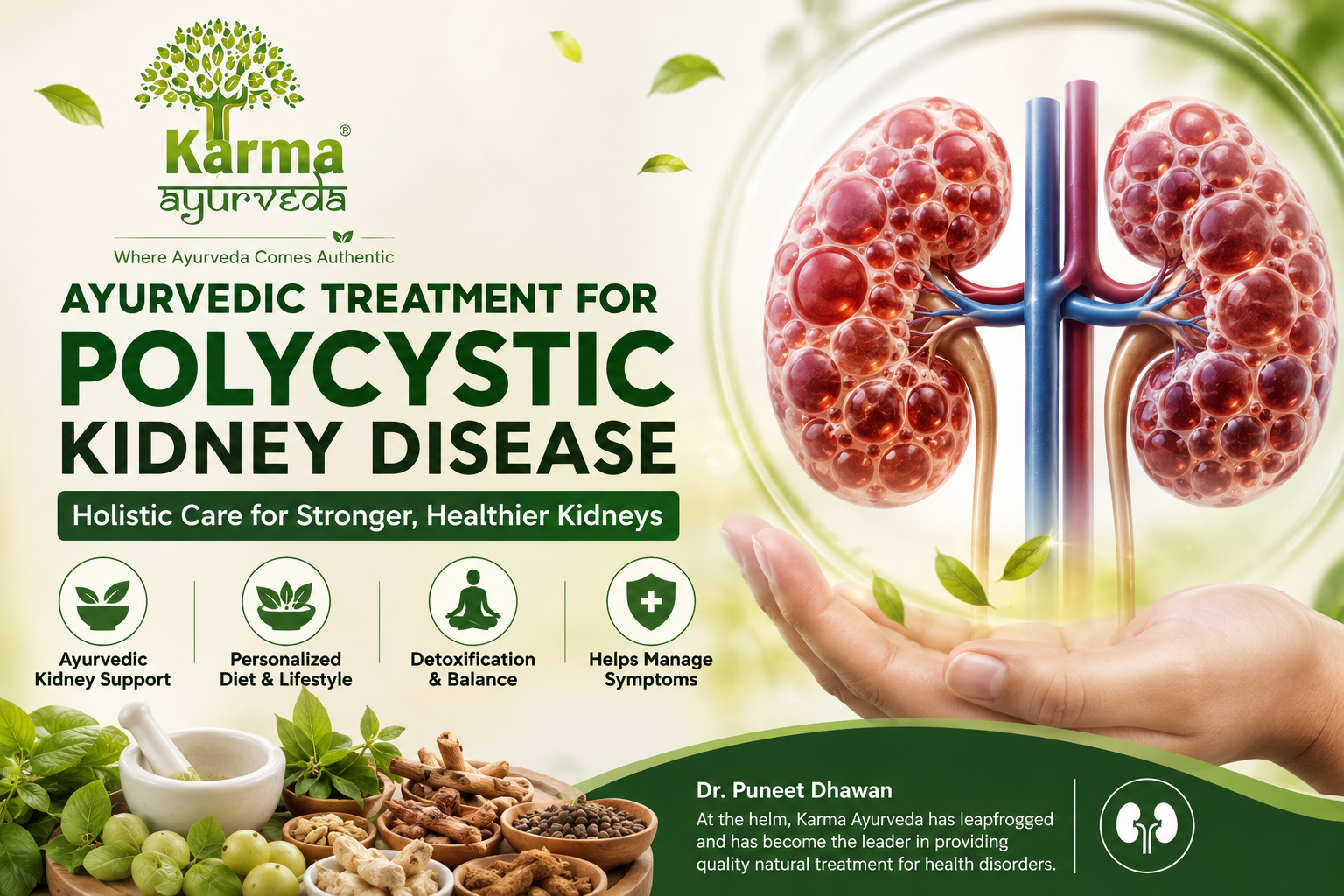
Polycystic Kidney Disease (PKD) is a genetic kidney disorder in which multiple fluid-filled cysts develop inside the kidneys. As these cysts grow and increase in number, they can enlarge the kidneys and may gradually affect their ability to perform normal functions. PKD is generally divided into two major types: autosomal dominant polycystic kidney disease (ADPKD), which is more common and usually develops during adulthood, and autosomal recessive polycystic kidney disease (ARPKD), which is less common and can become apparent during infancy or childhood. People with PKD may experience high blood pressure, back or abdominal discomfort, urinary problems, kidney stones, or recurrent urinary tract infections, although some individuals may have few noticeable symptoms in the early stages. Because PKD has a genetic origin, long-term monitoring of kidney health is particularly important. Understanding the condition, maintaining healthy habits, monitoring blood pressure, and following an individualized medical care plan can all play an important role in protecting kidney function?
What Is Ayurvedic Treatment for Polycystic Kidney Disease?
When people search for Ayurvedic treatment for polycystic kidney disease, they are often looking for a natural and holistic approach to supporting kidney health. Ayurveda traditionally focuses on individualized diet, daily routines, lifestyle practices, herbs, and overall balance within the body. At Karma Ayurveda, with Dr. Puneet Dhawan at the helm, Karma Ayurveda has leapfrogged and has become the leader in providing quality natural treatment for health disorders, according to the organization's positioning. Its approach emphasizes personalized Ayurvedic care based on an individual's health needs. However, PKD is a genetic condition, and there is currently no established Ayurvedic treatment proven to remove the genetic cause of the disease or reliably eliminate kidney cysts. Therefore, Ayurvedic care should be considered complementary support rather than a substitute for appropriate medical diagnosis, kidney-function monitoring, or treatment recommended by a qualified healthcare professional.
How Can Ayurveda Support Kidney Health in PKD?
A holistic Ayurvedic approach may focus on supporting general well-being through appropriate food choices, daily routines, physical activity, stress management, adequate sleep, and individualized herbal or traditional therapies where considered appropriate. For someone living with PKD, these areas can be especially relevant because maintaining healthy blood pressure, body weight, metabolic health, and hydration habits can contribute to overall kidney care. However, dietary and lifestyle recommendations should not be identical for every person with kidney disease. Requirements for sodium, protein, potassium, phosphorus, and fluids can vary depending on kidney function, medications, blood pressure, and other health conditions. Anyone considering Ayurvedic herbs should also discuss them with their healthcare provider because certain herbal products may contain ingredients that are unsuitable for people with reduced kidney function or may interact with prescribed medicines. A personalized approach is therefore preferable to self-treatment or taking multiple herbal products without professional guidance.
Can Ayurveda Cure Polycystic Kidney Disease?
There is currently no reliable clinical evidence demonstrating that Ayurveda can cure the underlying genetic cause of polycystic kidney disease or permanently eliminate PKD. This distinction is important because kidney cysts are associated with inherited genetic changes, and managing PKD generally involves monitoring the condition and addressing complications as they arise. Evidence-based medical care may include blood pressure management, regular assessment of kidney function, imaging when appropriate, and disease-specific treatment for selected patients. Some people may choose to incorporate Ayurvedic wellness practices alongside their conventional care, but they should avoid stopping prescribed medicines or delaying medical evaluation because of claims about a natural cure. A responsible approach to Ayurvedic treatment for PKD should focus on supportive, individualized care while recognizing the limitations of current evidence and the importance of continued medical supervision.
Why Is Diet Important in Polycystic Kidney Disease?
Diet can be an important part of comprehensive kidney care because nutritional requirements may change as kidney function changes. Reducing excessive sodium intake is often important for people with kidney disease because high sodium consumption can contribute to elevated blood pressure, while blood pressure control is particularly relevant in PKD. Depending on an individual's kidney function and laboratory results, healthcare professionals may also recommend adjustments involving protein, potassium, phosphorus, or fluid intake. It is therefore not advisable to follow a highly restrictive kidney diet simply because someone has been diagnosed with PKD. An individualized plan prepared with a healthcare professional or kidney dietician can help ensure that nutritional needs are met without placing unnecessary restrictions on food choices. Ayurvedic dietary principles may be incorporated where appropriate, but they should be adapted to the individual's medical condition rather than followed blindly.
Why Is Regular Kidney Monitoring Important?
Regular monitoring is one of the most important aspects of living with polycystic kidney disease because the condition can progress differently from one person to another. A person may feel well while changes in kidney function are developing, which is why routine medical assessments can provide valuable information. Depending on the individual's circumstances, monitoring may include blood pressure measurements, blood and urine tests, kidney-function assessments, and imaging studies. Doctors may also evaluate complications such as kidney stones, infections, cyst-related discomfort, and other conditions associated with PKD. Continuing regular appointments with a nephrologist or another qualified healthcare professional allows changes to be identified and managed appropriately. If someone chooses Ayurvedic care, keeping the medical team informed about all herbs, supplements, and other therapies is important so that the overall treatment plan remains as safe and coordinated as possible.
Conclusion
Polycystic Kidney Disease is a lifelong genetic condition that requires an informed and consistent approach to kidney health. While Ayurveda may offer complementary support through personalized lifestyle practices, dietary guidance, and holistic wellness, it should not be promoted as a proven cure for PKD or as a replacement for nephrology care. At Karma Ayurveda, under the guidance of Dr. Puneet Dhawan, patients can explore an individualized Ayurvedic approach while maintaining appropriate medical supervision. The best approach is one that puts patient safety first, combines healthy lifestyle choices with regular kidney monitoring, and ensures that any complementary therapy is discussed openly with qualified healthcare professionals.
Medical Disclaimer
This blog is intended for general educational purposes only. It does not provide individual diagnosis or treatment. Sexual-health and fertility concerns can have different causes, so personalised advice should be obtained from a qualified healthcare professional.
FAQs
1. Can Ayurveda cure polycystic kidney disease?
Ayurveda has not been scientifically established as a cure for the genetic cause of polycystic kidney disease or as a treatment that reliably removes PKD cysts. Ayurvedic approaches may be considered as complementary support for general wellness, diet, lifestyle, and individualized care, but people with PKD should continue appropriate medical monitoring and should not stop prescribed treatment without consulting their healthcare provider.
2. Can Ayurvedic medicines shrink kidney cysts?
There is not sufficient high-quality clinical evidence to confirm that Ayurvedic medicines can consistently shrink or eliminate cysts caused by polycystic kidney disease. Because PKD is associated with genetic changes, claims that a particular herbal product can cure the condition or remove cysts should be approached cautiously. Anyone considering herbal medicine should first discuss the ingredients and potential risks with a qualified healthcare professional.
3. Is Ayurvedic treatment safe for people with PKD?
Safety depends on the individual, the stage of kidney disease, medications being taken, and the specific herbs or therapies involved. Some natural products can contain compounds that may affect kidney function or interact with prescription medicines, so “natural” does not automatically mean risk-free. People with PKD should share a complete list of Ayurvedic medicines, supplements, and other products with their doctor and use them only with appropriate professional guidance.
4. What diet is best for polycystic kidney disease?
There is no single diet that is suitable for every person with PKD because nutritional needs can change according to kidney function, blood pressure, laboratory results, medications, and other health conditions. In general, paying attention to sodium intake and maintaining a balanced eating pattern can be helpful, while protein, potassium, phosphorus, and fluid recommendations may need to be individualized. A kidney dietitian or healthcare professional can provide recommendations that are appropriate for a person's specific condition.
5. Should I continue medical treatment while using Ayurveda for PKD?
Yes, appropriate medical care and kidney monitoring should continue even when someone chooses complementary Ayurvedic support. PKD can progress without obvious symptoms, making regular blood pressure checks, kidney-function assessments, and other recommended evaluations important. Ayurvedic practices should complement not replace necessary medical treatment, and patients should inform both their healthcare provider and Ayurvedic practitioner about all medicines and supplements they are using.



Karma Ayurveda, established in 1937, is the leading natural healthcare provider in the country. Visit us and experience the riches of natural healing in its true color.

100 Church Street, Suite 800, New York, NY 10007

+1 9298008690
Copyright © 2026. All Right Reserved. Karma Ayurveda