 September 07, 2026
Understand the Kidney Cancer?
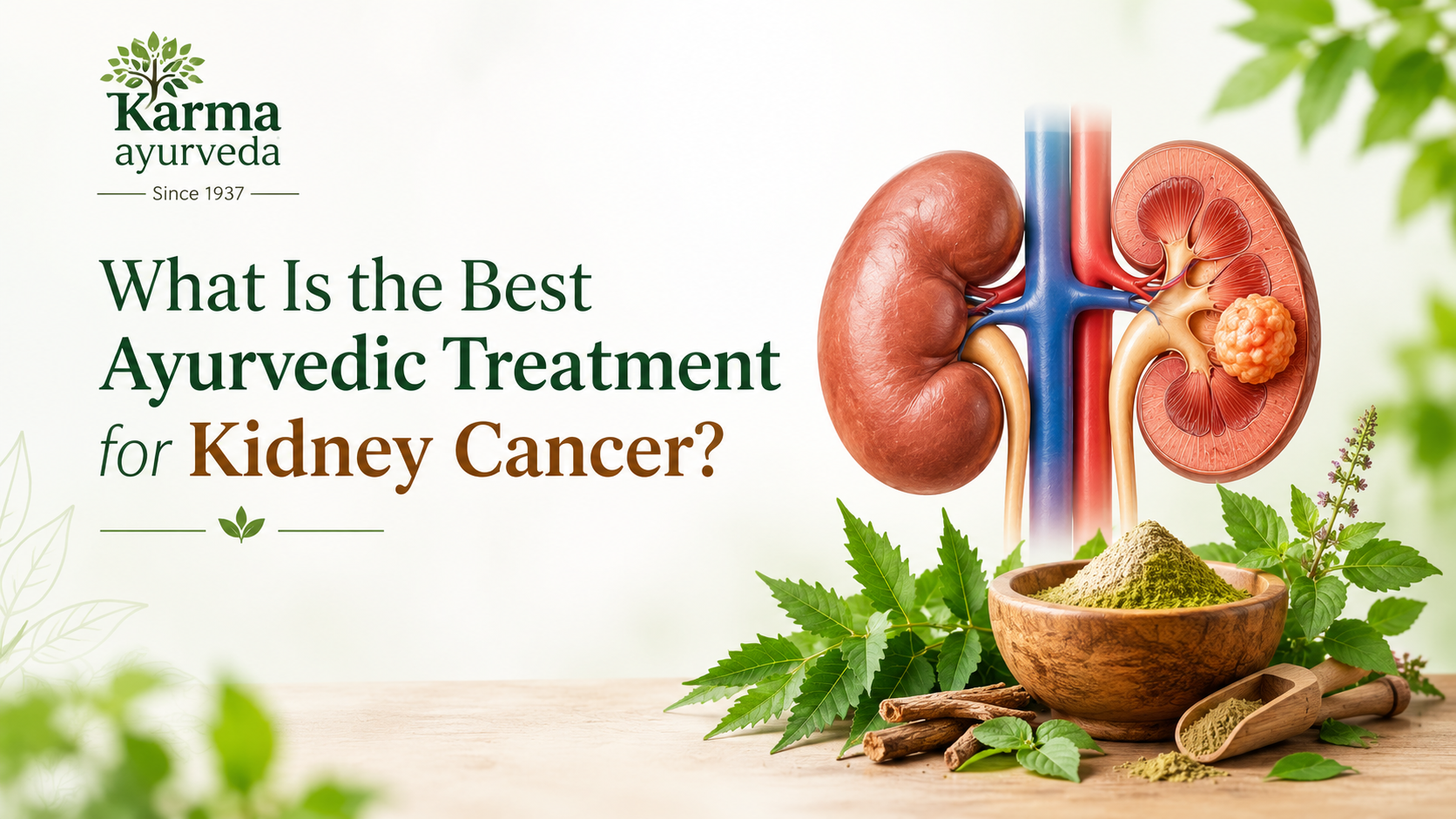
Kidney cancer develops when abnormal cells in the kidney begin growing uncontrollably and form a tumour. Renal cell carcinoma is the most common type of kidney cancer in adults. Some people may not notice symptoms in the early stages, while others can experience blood in the urine, persistent pain in the side or back, unexplained weight loss, tiredness, fever, or a lump in the abdomen. Diagnosis may involve imaging tests, blood or urine tests, and sometimes a biopsy. The treatment plan depends on the type and stage of cancer and the person’s overall health.
What Is Ayurvedic Treatment for Kidney Cancer?
Ayurvedic care for someone with kidney cancer should be considered supportive rather than a replacement for cancer treatment. A qualified Ayurvedic practitioner may focus on individualized diet, daily routines, stress management, gentle physical activity, and carefully selected supportive practices. The approach may aim to improve general wellbeing and help a person maintain strength during their overall treatment journey. Any herbs or Ayurvedic preparations should be discussed with the treating oncologist because some products can interact with cancer medicines or affect kidney and liver function.
Can Ayurveda Cure Kidney Cancer?
There is currently no reliable scientific evidence that Ayurveda can cure kidney cancer or eliminate cancerous tumors. Kidney cancer may require treatments such as surgery, targeted therapy, immunotherapy, radiation in selected situations, or other oncology-based approaches depending on the individual case. Delaying or replacing medically recommended cancer treatment with herbal remedies can be dangerous. Ayurvedic care may be explored as complementary support, but it should always be coordinated with qualified healthcare professionals.
How Can Ayurveda Support Kidney Wellness During Cancer Care?
A personalized Ayurvedic wellness plan may emphasize balanced nutrition, adequate rest, stress reduction, appropriate movement, and healthy daily routines. These measures can support overall wellbeing while a person receives appropriate cancer care. However, kidney cancer can affect kidney function, and treatment can also influence fluid balance, appetite, blood pressure, or other health factors. Therefore, dietary changes and herbal products should be individualized rather than followed from general advice found online.
What Diet Is Suitable for Kidney Cancer?
There is no single diet suitable for every person with kidney cancer. Nutritional needs can change according to kidney function, cancer stage, treatment, appetite, weight, and other medical conditions. A balanced eating pattern with appropriate amounts of protein, fruits, vegetables, whole grains, and healthy fats may be considered when medically suitable. People with reduced kidney function may need adjustments to sodium, potassium, phosphorus, protein, or fluid intake. A doctor or renal dietician can provide recommendations based on individual laboratory results.
Why Is Regular Kidney Monitoring Important?
Regular monitoring is especially important when someone has kidney cancer because both the disease and its treatment can influence kidney function. Healthcare professionals may monitor kidney function, blood pressure, blood counts, electrolytes, and other relevant markers while assessing how treatment is working. Follow-up imaging may also be recommended according to the cancer treatment plan. Keeping scheduled appointments helps the medical team identify changes early and make appropriate adjustments.
Conclusion
Ayurvedic treatment for kidney cancer is best understood as a supportive approach to overall wellness, not a proven cure for cancer. Personalized nutrition, lifestyle guidance, stress management, and carefully evaluated complementary practices may help support wellbeing alongside appropriate medical care. Karma Ayurveda, under the guidance of Dr. Puneet Dhawan, focuses on personalized Ayurvedic care and holistic wellness for individuals seeking natural support for kidney health. People with kidney cancer should continue regular medical monitoring, follow their oncologist’s treatment plan, and discuss any Ayurvedic herbs or supplements with their healthcare team before using them.
Medical Disclaimer
This blog is intended for general educational purposes only. It does not provide individual diagnosis or treatment. Sexual-health and fertility concerns can have different causes, so personalised advice should be obtained from a qualified healthcare professional.
Talk to Our Expert about Your Concern
FAQs
1. Can Ayurveda treat kidney cancer naturally?
Ayurveda has not been scientifically established as a cure for kidney cancer. It may be used as complementary wellness support alongside appropriate oncology care, with professional guidance.
2. Can Ayurvedic herbs be taken during kidney cancer treatment?
Not all Ayurvedic herbs are safe during cancer treatment. Some may interact with chemotherapy, immunotherapy, targeted medicines, or other drugs, so every supplement should be discussed with the treating healthcare team before use.
3. Is an Ayurvedic diet helpful for kidney cancer?
A personalized, balanced diet may support nutrition and general wellbeing, but dietary requirements differ from person to person. Kidney function and cancer treatment should be considered before making significant dietary changes.
4. Should kidney cancer patients stop medical treatment and use Ayurveda?
No. Ayurvedic care should not replace medically recommended cancer treatment. Kidney cancer can be serious, and delaying appropriate oncology care may allow the disease to progress.
5. Can Ayurvedic care support quality of life during kidney cancer treatment?
Supportive Ayurvedic practices such as appropriate nutrition, relaxation, sleep routines, and gentle lifestyle measures may contribute to general wellbeing. They should be adapted to the person's health and treatment plan.




Karma Ayurveda, established in 1937, is the leading natural healthcare provider in the country. Visit us and experience the riches of natural healing in its true color.

100 Church Street, Suite 800, New York, NY 10007

+1 9298008690
Copyright © 2026. All Right Reserved. Karma Ayurveda