 September 18, 2026
What Are Kidney Stones?
Kidney stones are hard, pebble-like deposits that form when certain minerals become highly concentrated in the urine. Their size, location, and composition can vary, and these factors influence the symptoms and treatment required. Common symptoms may include sharp pain in the back or side, pain that moves toward the lower abdomen or groin, and blood in the urine.
Importantly, not every kidney stone requires the same approach. Therefore, identifying the stone type and discussing appropriate treatment with a healthcare professional is essential.
How May Coconut Water Support Kidney Health?
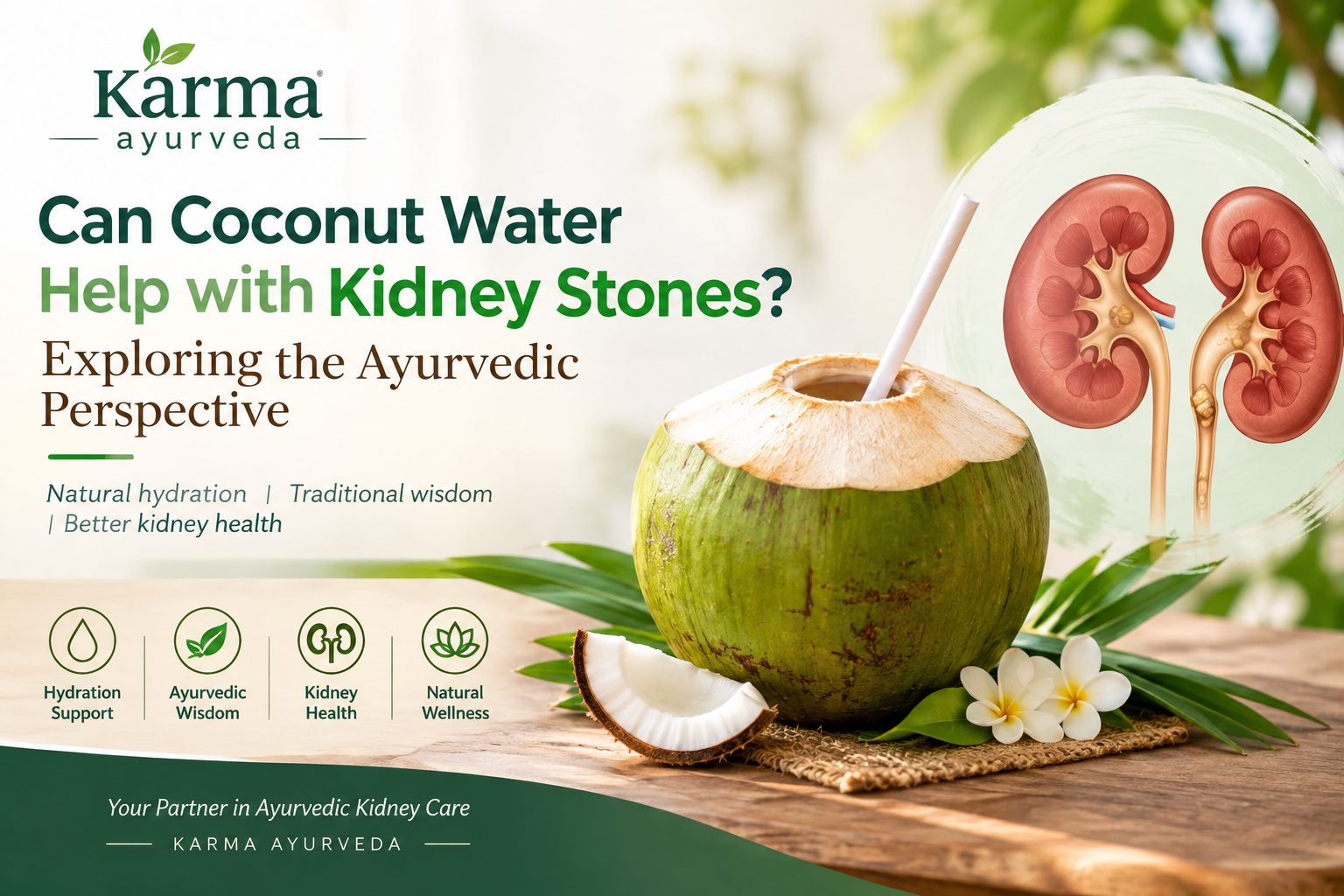
Coconut water is naturally refreshing and contributes to daily fluid intake. Adequate hydration is one of the most important lifestyle measures for preventing kidney stones, because sufficient fluid helps dilute urine and may reduce the concentration of minerals that can contribute to stone formation. Water remains the primary recommended fluid.
From an Ayurvedic perspective, coconut water has traditionally been valued as a cooling and hydrating beverage. It is often included in dietary routines intended to support fluid balance and urinary comfort.
However, it is important to distinguish traditional use from proven medical treatment. There is currently not enough clinical evidence to say that coconut water can dissolve an existing kidney stone or replace treatment prescribed by a urologist or other healthcare professional.
Coconut Water and an Ayurvedic Approach
Ayurveda generally emphasizes individualized care, dietary habits, hydration, and lifestyle balance. For people concerned about recurrent kidney stones, an Ayurvedic practitioner may consider factors such as diet, digestion, hydration, and individual constitution when developing a wellness plan.
At Karma Ayurveda, an Ayurvedic approach to kidney wellness may focus on personalized dietary and lifestyle guidance alongside appropriate evaluation. However, people with diagnosed kidney disease or kidney stones should not delay conventional medical assessment or prescribed treatment.
The National Center for Complementary and Integrative Health also notes that scientific evidence for many Ayurvedic approaches remains limited, and some Ayurvedic preparations can contain potentially toxic metals. Therefore, qualified professional guidance and product safety are important.
How Much Fluid Should You Drink?
For many adults with kidney stones, healthcare professionals recommend increasing fluid intake to help produce enough urine. NIDDK states that, unless a person has kidney failure or another condition requiring fluid restriction, many healthcare professionals recommend around six to eight 8-ounce glasses of fluid daily; individual needs can vary based on health, activity, and climate.
Coconut water can contribute to hydration, but it should not automatically replace water as your primary beverage. If you have kidney failure, heart failure, or another condition requiring fluid or electrolyte restrictions, speak with your healthcare professional before increasing coconut water or other fluids.

Final Thoughts
So, can coconut water help with kidney stones? It can contribute to hydration, which is important for kidney-stone prevention. From an Ayurvedic perspective, coconut water is traditionally regarded as a cooling and hydrating drink. However, current evidence does not establish coconut water as a standalone treatment for dissolving or removing kidney stones.
If you experience severe pain, vomiting, fever, difficulty urinating, or blood in the urine, seek medical attention promptly. Larger or obstructing stones may require urgent medical treatment.
For people exploring Ayurveda for kidney wellness, Karma Ayurveda can be considered as a source of personalized Ayurvedic guidance, while medical evaluation remains important for diagnosing and managing kidney stones.
Medical Disclaimer
This blog is intended for general educational purposes only. It does not provide individual diagnosis or treatment. Kidney health concerns can have different causes and may require personalised medical evaluation. Ayurvedic information shared here is for educational purposes and should not replace advice, diagnosis, or treatment from a qualified healthcare professional.
Talk to Our Expert about Your Concern
FAQs
1. Is coconut water good for kidney stones?
Coconut water can contribute to overall fluid intake. However, water remains the primary fluid recommended for kidney-stone prevention, and coconut water has not been established as a treatment that dissolves kidney stones.
2. Can coconut water dissolve kidney stones?
There is not sufficient clinical evidence to conclude that coconut water dissolves existing kidney stones. Treatment depends on the stone’s size, location, type, and whether it blocks the urinary tract.
3. How does Ayurveda view coconut water?
In traditional Ayurvedic practice, coconut water is generally regarded as a cooling and hydrating beverage. An Ayurvedic practitioner may include dietary and lifestyle recommendations as part of an individualized wellness plan.
4. Can I drink coconut water every day with kidney stones?
Some people can include coconut water as part of their fluid intake, but individual needs differ. People with kidney failure, heart failure, electrolyte concerns, or fluid restrictions should consult a healthcare professional before increasing it.
5. Does drinking more fluids prevent kidney stones?
Adequate fluid intake is one of the most important measures for preventing many kidney stones because it helps dilute urine and reduce mineral concentration.




At Karma Ayurveda, every patient is treated with care, honesty, and respect. Our team guides you at every step, from the first consultation to regular follow-ups, so you always feel supported on your wellness journey. Visit Karma Ayurveda and experience the riches of natural healing in its true form.

100 Church Street, Suite 800, New York, NY 10007

+1 9298008690
Copyright © 2026. All Right Reserved. Karma Ayurveda