 September 22, 2026
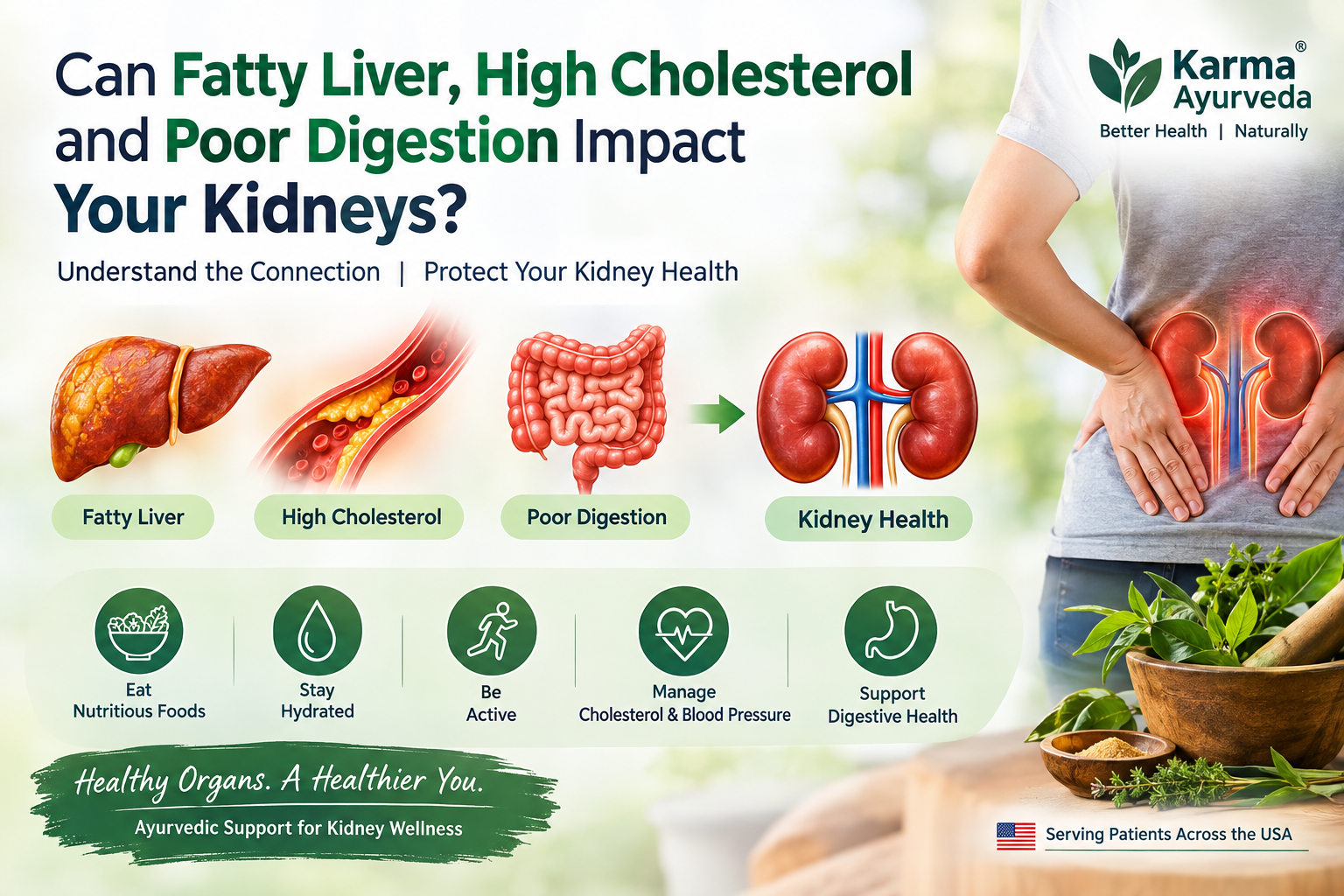
How Are Fatty Liver and Kidney Health Connected?
Fatty liver, now commonly referred to as metabolic dysfunction-associated steatotic liver disease (MASLD), involves excess fat accumulation in the liver. It is frequently associated with metabolic conditions such as obesity, abnormal cholesterol and triglyceride levels, high blood pressure, and type 2 diabetes.
These same metabolic conditions are also important risk factors for kidney problems. For example, persistent high blood pressure and diabetes can place additional stress on the kidneys over time.
Therefore, the connection between fatty liver and kidney health is often less about the liver directly "damaging" the kidneys and more about the shared metabolic environment affecting several organs.
Can High Cholesterol Affect Your Kidneys?
High cholesterol deserves attention when discussing kidney wellness. Excess LDL cholesterol and other abnormal blood fats can contribute to plaque build-up in blood vessels. Since the kidneys depend on a healthy blood supply to perform their filtering functions, cardiovascular and vascular health are important parts of overall kidney health.
For people already living with chronic kidney disease (CKD), nutrition and management of cardiovascular risk factors become particularly important. NIDDK notes that excessive saturated and trans fats can contribute to build up in blood vessels, including those supplying the heart and kidneys.
If your cholesterol levels are elevated, work with your U.S. healthcare provider to determine whether lifestyle changes or medication are appropriate.
Does Poor Digestion Affect Kidney Health?
Indigestion, constipation, bloating, or irregular bowel habits do not necessarily cause kidney disease. However, digestive wellness can influence overall nutrition, hydration, food choices, and lifestyle.
For example, regularly consuming highly processed foods, excessive sodium, added sugars, and unhealthy fats may affect metabolic health. Over time, these dietary patterns can contribute to conditions that are also relevant to kidney health.
It is also important to be cautious with "detox" products. The liver and kidneys already perform important processes involved in metabolism and waste removal. A commercial detox program is not a proven way to cleanse the kidneys or reverse kidney disease.
What Can You Do to Support Liver, Digestive and Kidney Wellness?
A practical approach is to focus on overall metabolic health rather than looking for a quick detox.
Consider these evidence-informed habits:
For people with CKD, dietary needs can vary considerably. A registered dietician with kidney-health experience can help create an eating plan appropriate for your individual condition.
How Can Karma Ayurveda Help With Kidney Wellness?
Karma Ayurveda provides Ayurvedic consultations and kidney-focused wellness approaches that may include individualized dietary and lifestyle guidance. The organization states that it serves patients in the USA and provides a USA contact option.
For people considering Ayurveda, it is important to treat it as part of an informed healthcare plan. Do not stop dialysis, prescribed medicines, or other conventional kidney treatment without speaking with your nephrologist or healthcare provider. Herbal products can also interact with medications or may not be appropriate for people with reduced kidney function.

Medical Disclaimer
This blog is intended for general educational purposes only. It does not provide individual diagnosis or treatment. Kidney health concerns can have different causes and may require personalised medical evaluation. Ayurvedic information shared here is for educational purposes and should not replace advice, diagnosis, or treatment from a qualified healthcare professional.
Talk to Our Expert about Your Concern
FAQs
1. Can fatty liver cause kidney disease?
Fatty liver does not automatically cause kidney disease. However, fatty liver often occurs alongside obesity, diabetes, high blood pressure, and abnormal cholesterol—conditions that can also increase kidney health risks.
2. Does high cholesterol affect kidney function?
High cholesterol is primarily a cardiovascular and blood-vessel concern, but vascular health is closely connected to kidney health. If you have high cholesterol, discuss your overall cardiovascular and kidney risk with your healthcare provider.
3. Can poor digestion damage the kidneys?
Common digestive problems such as occasional bloating or indigestion do not generally cause kidney disease. However, poor dietary patterns, dehydration, or certain underlying medical conditions may affect overall health and deserve appropriate evaluation.
4. Is a liver or kidney detox necessary?
Your liver and kidneys naturally perform important metabolic and waste-removal functions. There is no established need for commercial "detox" programs to cleanse healthy kidneys. If you have kidney or liver disease, discuss any detox or herbal product with a qualified healthcare professional before using it.
5. Can Ayurveda be used with conventional kidney treatment?
Some people explore Ayurveda as a complementary wellness approach. If you have CKD, are taking medication, or receive dialysis, discuss any Ayurvedic herbs or therapies with your nephrologist and a qualified Ayurvedic practitioner before starting them. Karma Ayurveda also describes its approach as incorporating herbs, diet, and lifestyle guidance.




At Karma Ayurveda, every patient is treated with care, honesty, and respect. Our team guides you at every step, from the first consultation to regular follow-ups, so you always feel supported on your wellness journey. Visit Karma Ayurveda and experience the riches of natural healing in its true form.

100 Church Street, Suite 800, New York, NY 10007

+1 9298008690
Copyright © 2026. All Right Reserved. Karma Ayurveda