 October 06, 2026
Who Is Katie Brown?
Katie Brown, 38, has lived with autosomal recessive Alport syndrome, a rare inherited kidney disorder, since childhood. She was diagnosed at around six years old and eventually experienced kidney failure.
In her early 30s, Brown needed home dialysis while continuing to work as a teacher and raise her daughter. In June 2022, she received a kidney transplant from a living donor.
Her transplant gave her an opportunity to reclaim parts of everyday life that kidney disease had made difficult.
Brown has described transplant sports as more than competition. For her, the Transplant Games can help restore a sense of normality and connection after illness has disrupted ordinary opportunities.
Why Was the Women’s Transplant World Cup Historic?
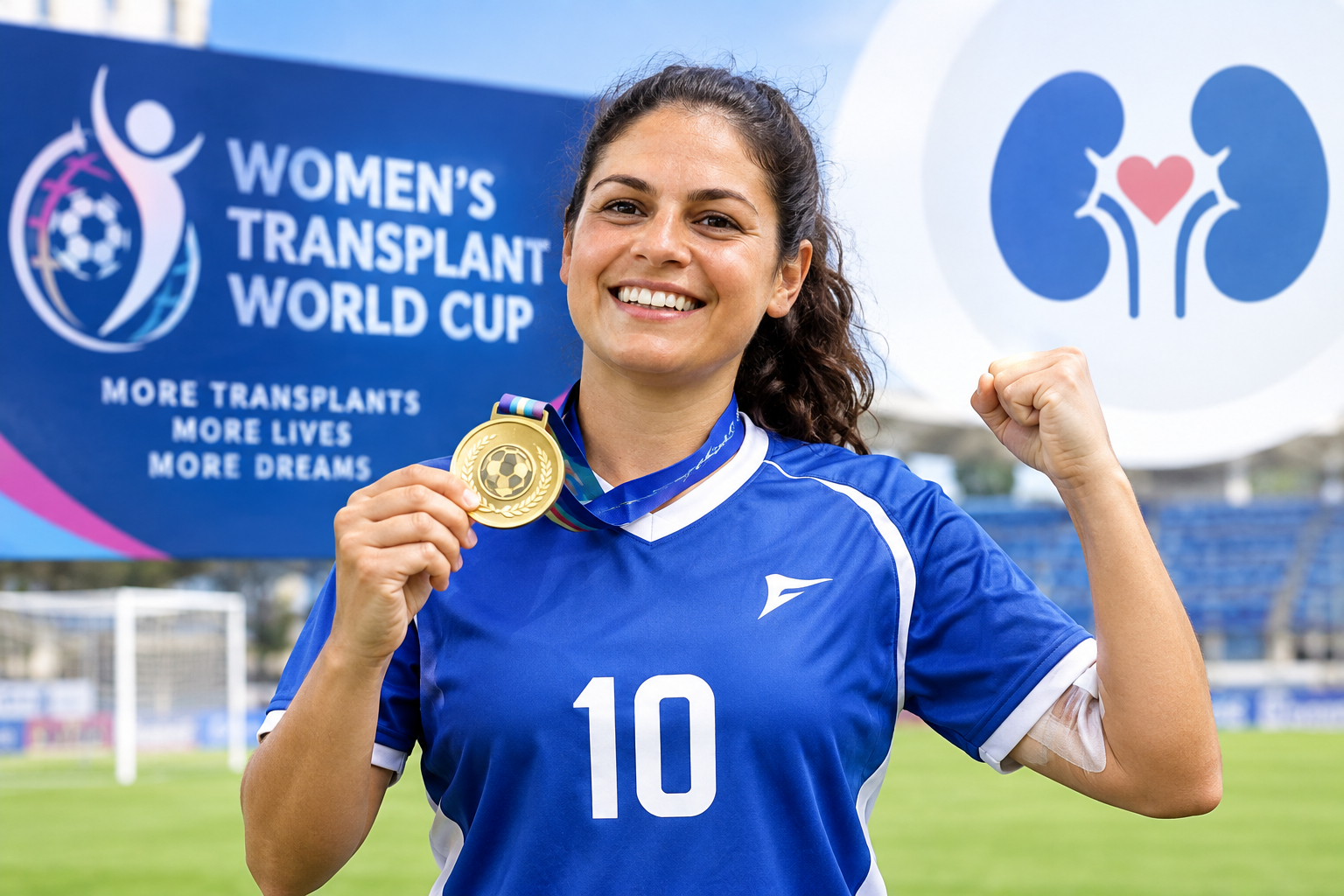
The World Transplant Games Federation introduced the first-ever women’s exhibition competition alongside the 2026 Transplant Football World Cup.
The goal was to create greater visibility and participation for female transplant recipients and provide new opportunities for women in transplant sport. The tournament was held in Frankfurt from September 6–12, 2026.
The broader 2026 Transplant Football World Cup brought together transplant athletes from around the world. Eligible athletes included recipients of kidney, heart, lung, liver, pancreas, and bone-marrow transplants.
For kidney transplant recipients, stories like Brown’s can help challenge the idea that receiving a transplant means giving up an active life.
Can Kidney Transplant Patients Play Sports?
Many transplant recipients can return to physical activity after recovery, but the appropriate type and intensity of exercise vary from person to person.
The National Kidney Foundation recommends regular physical activity for people living with kidney disease, including those who have received a transplant. Exercise can support cardiovascular health, strength, energy, and overall wellbeing. However, transplant patients should discuss their exercise plans with their healthcare team.
Sports involving significant physical contact require particular caution because the transplanted kidney is positioned differently from the original kidneys and can be more vulnerable to injury. A transplant team can help determine which activities are appropriate.
Life after a Kidney Transplant Is More than Medical Tests
After transplantation, patients still need regular medical monitoring, blood tests, anti-rejection medications, and follow-up appointments.
But quality of life matters too.
Returning to work, spending time with family, exercising, traveling when medically appropriate, participating in hobbies, and connecting with other transplant recipients can all become meaningful parts of life after transplant.
The National Kidney Foundation emphasizes that a transplant does not completely “cure” kidney disease and that protecting the transplanted kidney requires on-going medication, follow-up, and healthy lifestyle habits.
Transplant sports provide another dimension: they allow recipients to meet people who understand the experience of dialysis, transplantation, medications, uncertainty, and recovery.
The Bigger Message: Organ Donation Saves Lives
The Women’s Transplant Football World Cup was not only about football. It also highlighted the impact of organ donation.
Every athlete competing after transplantation represents a different medical journey and a different donor story. For many transplant recipients, sport can become a way to celebrate the opportunity they received while raising awareness about organ donation.
Brown’s journey—from childhood kidney disease to dialysis, transplantation, and international football—illustrates how dramatically life can change after receiving a donor kidney.

What Does This Mean for Kidney Patients in the USA?
For people in the United States living with kidney disease or considering transplantation, stories like this offer an important reminder: life after a transplant can include goals that go far beyond medical treatment.
However, every transplant journey is different. Patients should follow their transplant center’s recommendations about exercise, nutrition, medications, infection prevention, and physical activity.
Karma Ayurveda supports a holistic approach to kidney wellness that may include healthy routines, nutrition, stress management, and overall lifestyle support. For transplant recipients, however, any Ayurvedic herbs or supplements should be discussed with the transplant nephrologist because of potential interactions with immunosuppressive and other prescription medications.
Ayurvedic care should complement—not replace—transplant medicine, anti-rejection treatment, laboratory monitoring, or specialist follow-up.
Medical Disclaimer
This blog is intended for general educational purposes only. It does not provide individual diagnosis or treatment. Kidney health concerns can have different causes and may require personalised medical evaluation. Ayurvedic information shared here is for educational purposes and should not replace advice, diagnosis, or treatment from a qualified healthcare professional.
Talk to Our Expert about Your Concern
FAQs
1. Can a kidney transplant patient play football?
Some kidney transplant recipients can participate in sports after appropriate recovery and medical clearance. The type and intensity of activity should be discussed with the transplant team, particularly for contact sports.
2. What was historic about the 2026 Women’s Transplant Football World Cup?
The 2026 event introduced the first-ever women’s competition associated with the Transplant Football World Cup, creating an international platform specifically for female transplant athletes.
3. Can kidney transplant patients take Ayurvedic herbs?
Transplant recipients should not start herbs or supplements without discussing them with their transplant team. Some products may interact with immunosuppressive medications or affect transplant care. Complementary wellness approaches should never replace prescribed anti-rejection treatment or medical monitoring.



At Karma Ayurveda, every patient is treated with care, honesty, and respect. Our team guides you at every step, from the first consultation to regular follow-ups, so you always feel supported on your wellness journey. Visit Karma Ayurveda and experience the riches of natural healing in its true form.

100 Church Street, Suite 800, New York, NY 10007

+1 9298008690
Copyright © 2026. All Right Reserved. Karma Ayurveda