 December 20, 2025
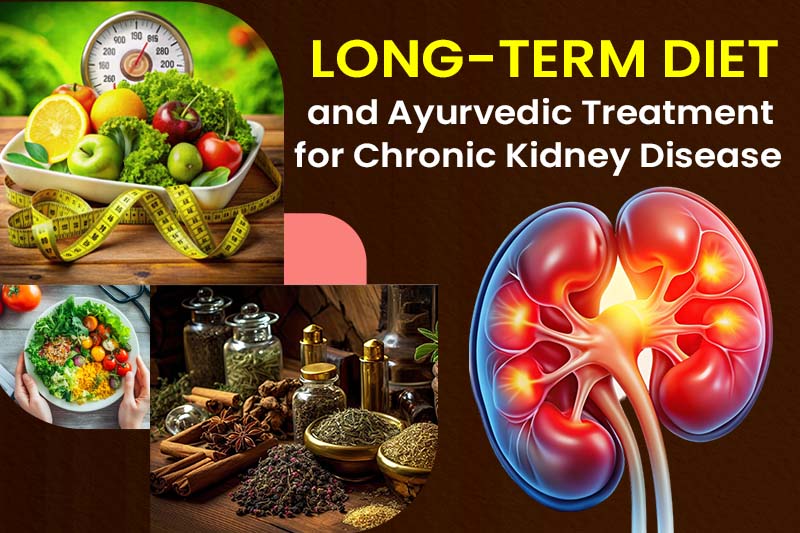
When someone hears “chronic kidney disease”, the brain immediately jumps to scary thoughts; dialysis machines, strict food lists, and a life with zero taste. But relax. Take a deep breath. CKD is serious, yes; but with the right long-term diet and Ayurvedic treatment for chronic kidney disease patients, many people manage their condition well and live a peaceful, active life. Think of it as slow care, not panic care.
So, grab a cup of mild herbal tea (not coffee; sorry), and let’s talk about how food + Ayurveda + patience can become your kidney’s best friends.
Your kidneys are like 24×7 house cleaners. They remove waste, balance fluids, control blood pressure, and even help keep your bones strong.
In Chronic Kidney Disease, these cleaners get tired. They still work; but slowly. The goal of treatment is simple:
And this is where diet and Ayurveda come in; not as magic, but as long-term support systems focused on kidney disease management with diet and ayurveda.
Kidney disease doesn’t happen overnight, and it doesn’t improve overnight either. Anyone promising “7-day kidney cure” is selling dreams, not treatment.
Ayurveda works on:-
This approach forms the base of long-term natural treatment for chronic kidney disease, where patience matters more than shortcuts.
Yes, protein is important. No, excess protein is NOT your kidney’s best friend. Eat moderate protein and prefer plant-based sources, ideally following an Ayurvedic diet plan for chronic kidney disease patients prepared under expert guidance. Your kidneys are not bodybuilders.
Salt causes high blood pressure, fluid retention, and kidney overload. Limit salt, but don’t make food taste like cardboard. Your tongue will adjust. Promise.
Potassium is good; but too much can be risky in CKD. Soaked and boiled vegetables are usually recommended.
Drinking water blindly is not healthy in CKD. Drink as advised and watch for swelling and urine output.
Ayurveda doesn’t attack the kidneys. It supports, nourishes, and balances the body, offering holistic ayurvedic care for chronic kidney disease rather than aggressive symptom control. Treatment often starts from improving digestion, because Ayurveda believes toxins stress the kidneys when digestion is weak. Smart thinking, right?
Important: Never self-medicate herbs. Commonly used herbs may include Punarnava, Gokshura, Varuna, Kaasni, and Shirish. These are usually given in combinations, depending on CKD stage and body type. This personalized approach supports a natural diet-based treatment for chronic kidney disease, instead of a one-size-fits-all formula.
CKD is serious, but life doesn’t have to be miserable.
CKD management is a marathon, not a sprint. Some days reports improve. Some days they don’t. That’s normal. Consistency with diet, Ayurvedic medicines, and lifestyle changes brings stability over time. Quiet progress is still progress.
Your kidneys are not failing you. They are asking for support. With the right long-term diet and Ayurvedic treatment for chronic kidney disease patients, guided lifestyle changes, and patience, many CKD patients live stable, fulfilling lives without panic or fear.
Healing is not about rushing. It’s about respecting the process and creating a calm environment for your kidneys. Because stressed kidneys don’t heal; but loved ones always try their best.
A kidney-friendly diet is low in salt, balanced in protein, and avoids processed foods. Fresh home-cooked meals, seasonal vegetables, and controlled portions help reduce kidney load.
CKD can be managed with the right diet, lifestyle changes, regular monitoring, and natural treatments like Ayurveda, especially when started early and followed consistently.
Ayurveda focuses on light, easy-to-digest foods, low salt, limited protein, plenty of hydration, and herbs that support kidney balance, always personalized to the patient.



At Karma Ayurveda, every patient is treated with care, honesty, and respect. Our team guides you at every step, from the first consultation to regular follow-ups, so you always feel supported on your wellness journey. Visit Karma Ayurveda and experience the riches of natural healing in its true form.

100 Church Street, Suite 800, New York, NY 10007

+1 9298008690
Copyright © 2026. All Right Reserved. Karma Ayurveda