 October 01, 2026
What Happens When the Kidneys Can No Longer Filter Properly?
Healthy kidneys perform several important jobs. They remove waste products and excess fluid, help balance minerals such as sodium and potassium, and contribute to blood-pressure regulation and other processes. When kidney function becomes severely reduced, these functions can become impaired. Waste and fluid may accumulate, and mineral or chemical balances in the blood can change.
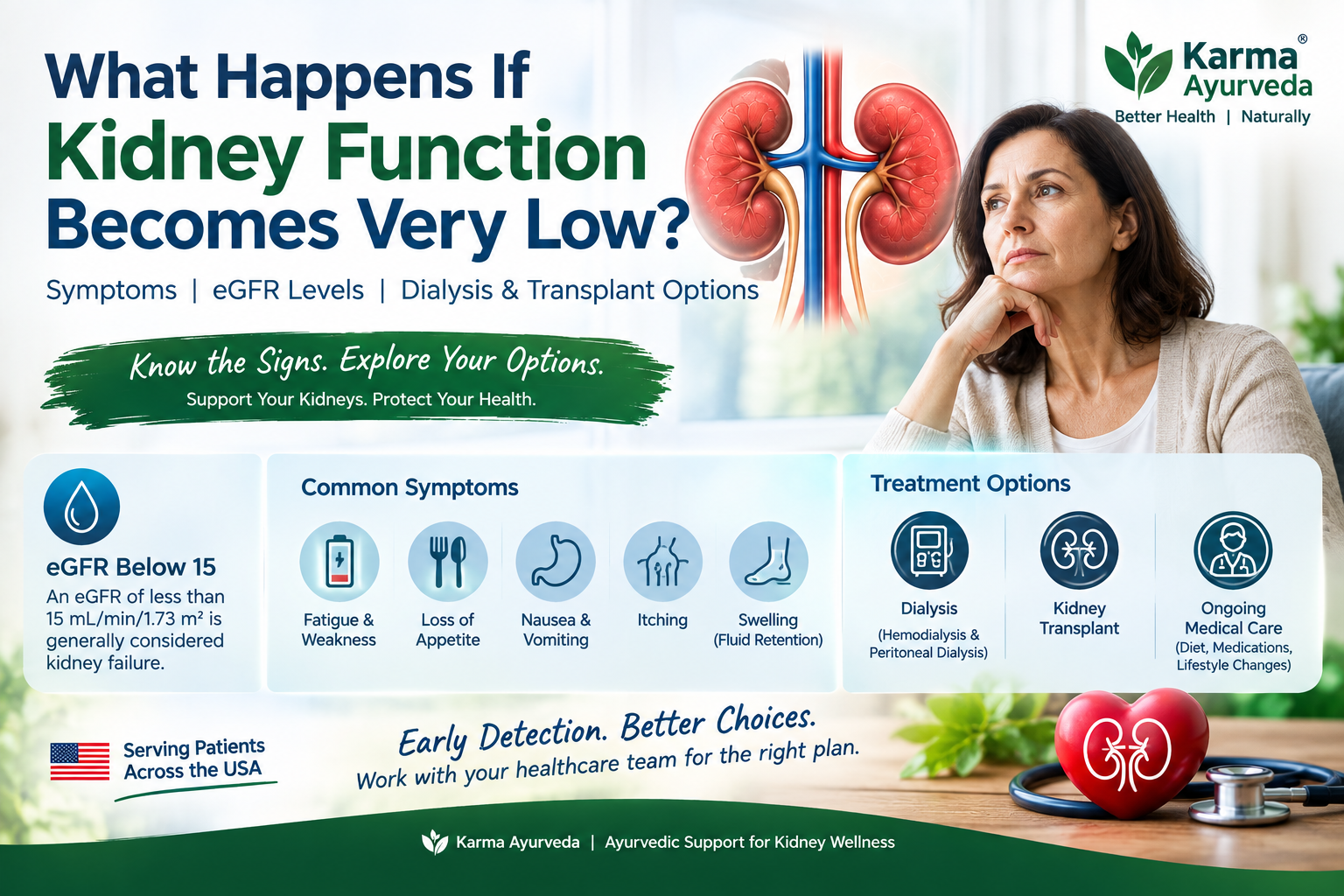
Possible symptoms of advanced kidney failure include:
· Persistent tiredness or weakness
· Loss of appetite
· Nausea or vomiting
· Itching
· Muscle cramps
· Swelling caused by excess fluid
· Changes in urination
· Difficulty concentrating or changes in sleep
Some people may have few noticeable symptoms until kidney disease is advanced, which is why regular testing is particularly important for people at increased risk.
What does an eGFR Below 15 Mean?
An eGFR is an estimate of how effectively the kidneys filter blood. In general, an eGFR below 60 may indicate kidney disease, while an eGFR of 15 or lower is considered kidney failure. An eGFR result should not be interpreted by itself. Healthcare professionals consider trends in kidney function, urine albumin, symptoms, blood tests, medications, and other health conditions. If your eGFR is approaching or below 15, it is important to have a conversation with a nephrologist, a doctor who specializes in kidney health, about treatment planning.
Does Very Low Kidney Function Always Mean Dialysis?
Not necessarily immediately. Dialysis is generally considered when the kidneys can no longer adequately perform their functions and treatment is needed to control symptoms or dangerous complications. NIDDK explains that many people begin dialysis when their GFR is around 5 to 10, but the decision is based on the individual's symptoms and medical situation rather than a single number.
There are two main forms of dialysis:
Hemodialysis
Hemodialysis uses a machine and a filter called a dialyzer to remove waste and excess fluid from the blood. It can also help maintain appropriate levels of minerals such as potassium, sodium, and calcium.
Peritoneal Dialysis
Peritoneal dialysis uses the lining of the abdomen as a natural filtering membrane. A special dialysis solution is introduced into the abdomen and later drained, carrying waste and excess fluid with it. Dialysis can replace some kidney functions, but it does not cure kidney failure or completely replace everything healthy kidneys do.
Is Kidney Transplanting an Option?
For some people with kidney failure, a kidney transplant may be an option. During transplantation, a healthy donor kidney is placed into the recipient's body to perform the filtering functions that failing kidneys can no longer adequately provide. A transplant requires extensive medical evaluation, and recipients need ongoing anti-rejection medication and medical follow-up. People approaching kidney failure may benefit from learning about dialysis and transplant options early, rather than waiting until an emergency occurs.
Can Kidney Function Improve?
It depends on the underlying cause.
A sudden decline in kidney function, known as acute kidney injury (AKI), can sometimes improve when the underlying cause is identified and treated. Chronic kidney disease, however, is generally a long-term condition that can progressively reduce kidney function.
If kidney function is declining, the priority is identifying the cause and working with a healthcare team to slow further damage and manage complications. This is why a "kidney detox" or herbal cleanse should not be considered a substitute for medical evaluation. Some supplements and herbal products can interact with medications or may be unsafe for people with impaired kidney function.
How Can You Support Kidney Health When Function Is Low?
If you have significantly reduced kidney function, your care plan should be individualized. Depending on your condition, your healthcare team may recommend:
People with advanced CKD may need guidance from a nephrologist and a registered dietitian who specializes in kidney disease.

How Can Karma Ayurveda Support Kidney Wellness?
Karma Ayurveda provides Ayurvedic wellness consultations that may include individualized guidance related to diet, lifestyle, and traditional Ayurvedic approaches. For people in the USA exploring Ayurveda alongside conventional kidney care, it is important to communicate openly with your nephrologist and healthcare team. Ayurvedic herbs or supplements should not be used to replace dialysis, transplantation, prescribed medicines, or other medically recommended treatment. When kidney function is very low, professional medical monitoring is especially important because the body may be less able to handle excess fluids, minerals, and certain substances.
Medical Disclaimer
This blog is intended for general educational purposes only. It does not provide individual diagnosis or treatment. Kidney health concerns can have different causes and may require personalised medical evaluation. Ayurvedic information shared here is for educational purposes and should not replace advice, diagnosis, or treatment from a qualified healthcare professional.
Talk to Our Expert about Your Concern
FAQs
1. What happens when kidney function drops below 15%?
Kidney function below approximately 15% is generally classified as kidney failure. Waste products and excess fluid can accumulate, and symptoms or complications may develop. Treatment options may include dialysis, kidney transplantation, or conservative management depending on the person's circumstances.
2. What are the symptoms of very low kidney function?
Symptoms can include fatigue, weakness, poor appetite, nausea, itching, muscle cramps, swelling, and changes in urination. Some people have few symptoms until kidney disease becomes advanced.
3. Does an eGFR of 10 always mean I need dialysis?
No. Dialysis decisions are individualized. Healthcare professionals consider symptoms, laboratory results, fluid status, complications, and overall health rather than relying on eGFR alone.
4. Can very low kidney function return to normal?
It depends on the cause. Some cases of acute kidney injury can improve after treatment of the underlying problem. Advanced chronic kidney disease is different and generally requires ongoing management to preserve remaining kidney function and control complications.
5. What should I do if my kidney function is very low?
Speak with your healthcare provider or nephrologist promptly. Ask about your eGFR trend, urine albumin, underlying cause, medications, dietary needs, and whether you should begin planning for dialysis or transplant evaluation.




At Karma Ayurveda, every patient is treated with care, honesty, and respect. Our team guides you at every step, from the first consultation to regular follow-ups, so you always feel supported on your wellness journey. Visit Karma Ayurveda and experience the riches of natural healing in its true form.

100 Church Street, Suite 800, New York, NY 10007

+1 9298008690
Copyright © 2026. All Right Reserved. Karma Ayurveda