 September 08, 2026
Polycystic Kidney Disease (PKD) is a genetic disorder in which multiple fluid-filled cysts develop inside the kidneys. Over time, these cysts can enlarge the kidneys and affect their ability to function properly. Although PKD is inherited in many cases, its symptoms and progression can vary from one person to another. Therefore, understanding the condition early can help patients take better care of their kidney health.
What Is Polycystic Kidney Disease?
Polycystic Kidney Disease causes numerous cysts to form in the kidneys. These cysts are usually filled with fluid and may gradually increase in size and number. As they grow, healthy kidney tissue can become compressed, which may reduce normal kidney function. There are mainly two common types of PKD: Autosomal Dominant Polycystic Kidney Disease (ADPKD) and Autosomal Recessive Polycystic Kidney Disease (ARPKD). ADPKD is more common and can develop during adulthood, whereas ARPKD is less common and often affects infants or children. Because PKD is usually linked to genetic changes, a family history of the disease may increase a person's risk.
Common Symptoms of Polycystic Kidney Disease
In the early stages, Polycystic Kidney Disease may not cause noticeable symptoms. However, as the cysts grow, several signs can appear. Common symptoms include:
· High blood pressure
· Pain in the back or sides
· Blood in the urine
· Frequent urinary tract infections
· Kidney stones
· Abdominal fullness or swelling
· Changes in kidney function
Moreover, PKD can sometimes affect organs other than the kidneys. For example, cysts may develop in the liver, and some people may experience complications involving the blood vessels.
Understand the Causes PKD?
Polycystic Kidney Disease is primarily caused by inherited genetic mutations. In ADPKD, a person generally inherits the altered gene from one parent. Consequently, children of an affected parent may have an increased chance of developing the condition. On the other hand, ARPKD is inherited differently and usually requires altered genes to be inherited from both parents. Since PKD is a genetic condition, genetic counseling may be recommended for families with a history of the disease.
How Is Polycystic Kidney Disease Diagnosed?
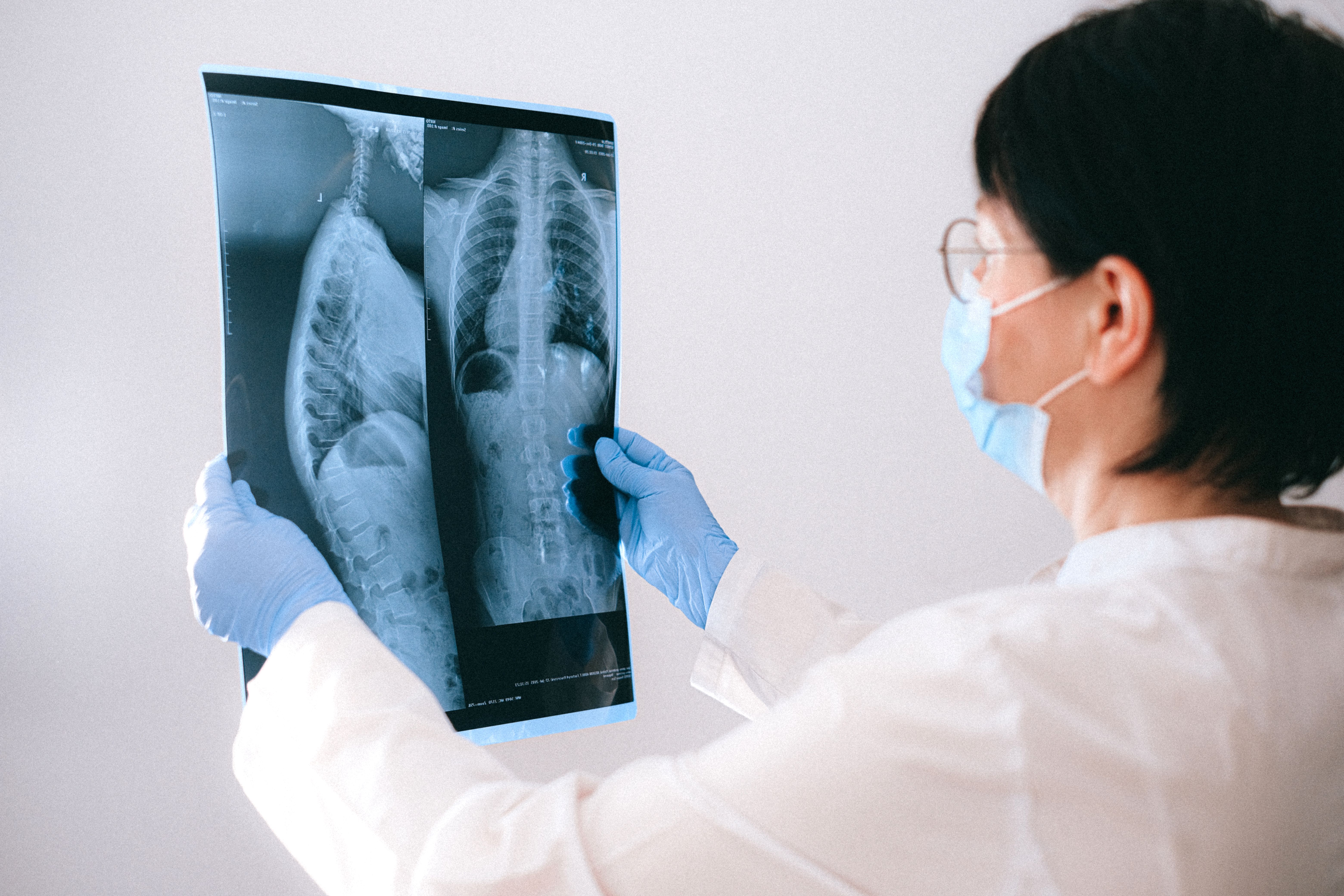
PKD is commonly identified through medical evaluation and imaging tests. Doctors may use an ultrasound, CT scan, or MRI to examine the kidneys and detect cysts. In addition, blood and urine tests can be performed to assess kidney function and identify related problems. In certain situations, genetic testing may also be considered, particularly when the diagnosis is unclear or when family planning is involved. Early evaluation is important because high blood pressure and declining kidney function can sometimes be managed more effectively when they are identified promptly.
Managing Kidney Health with PKD
There is currently no universal cure that removes all kidney cysts. However, appropriate medical management can help control complications and support kidney health. Patients are generally advised to monitor blood pressure, attend regular kidney-function checkups, stay adequately hydrated according to their healthcare provider's advice, and follow a balanced diet. Furthermore, smoking should be avoided, and medicines should be taken only as recommended by a qualified healthcare professional. Because every patient's condition is different, a personalized healthcare plan is important. Lifestyle measures should complement, rather than replace, appropriate medical care.
The Role of Ayurveda in Kidney Wellness
Ayurveda focuses on maintaining balance within the body and supporting overall wellness through diet, lifestyle, and individualized care. Some people explore Ayurvedic approaches as complementary support for kidney health. However, patients with Polycystic Kidney Disease should not discontinue prescribed treatment or delay medical evaluation. Any Ayurvedic herbs, supplements, or therapies should be discussed with a qualified healthcare professional, particularly when kidney function is reduced.
Conclusion
Polycystic Kidney Disease is a genetic condition that requires long-term attention and appropriate medical supervision. Although it cannot always be prevented or completely cured, early diagnosis, regular monitoring, healthy lifestyle choices, and proper management of complications can make an important difference. At Karma Ayurveda, Dr. Puneet Dhawan emphasizes an individualized approach to kidney wellness. Patients interested in Ayurvedic support should seek professional guidance and keep their healthcare team informed about all treatments they use. Ultimately, understanding Polycystic Kidney Disease and taking timely steps toward kidney care can help support better long-term health.
Medical Disclaimer
This blog is intended for general educational purposes only. It does not provide individual diagnosis or treatment. Kidney health concerns can have different causes and may require personalised medical evaluation. Ayurvedic information shared here is for educational purposes and should not replace advice, diagnosis, or treatment from a qualified healthcare professional.
Talk to Our Expert about Your Concern
FAQs
1. Is Polycystic Kidney Disease hereditary?
Yes. Most forms of PKD are inherited through genetic mutations. A family history can therefore increase the likelihood of developing the condition.
2. Can Polycystic Kidney Disease be cured?
There is currently no complete cure for inherited PKD. However, complications can be monitored and managed to help protect kidney function.
3. What are the early signs of PKD?
Early PKD may cause no symptoms. When symptoms occur, they can include high blood pressure, back or side pain, blood in the urine, and recurrent urinary tract infections.
4. Can diet help people with PKD?
A balanced diet can support overall health and help manage conditions such as high blood pressure. Nevertheless, dietary needs vary depending on kidney function and other health factors, so personalized advice is recommended.
5. Can Ayurveda support people with Polycystic Kidney Disease?
Ayurvedic care may be explored as complementary wellness support. However, it should be used responsibly and under professional guidance rather than as a replacement for necessary medical treatment.



At Karma Ayurveda, every patient is treated with care, honesty, and respect. Our team guides you at every step, from the first consultation to regular follow-ups, so you always feel supported on your wellness journey. Visit Karma Ayurveda and experience the riches of natural healing in its true form.

100 Church Street, Suite 800, New York, NY 10007

+1 9298008690
Copyright © 2026. All Right Reserved. Karma Ayurveda