
 January 05, 2026
Getting diagnosed with chronic kidney disease (CKD) is scary. One minute you’re Googling “why am I tired all the time,” and the next minute you’re learning words like creatinine, GFR, and dialysis. Not exactly the vocabulary anyone wants to master. In the USA, CKD treatment usually means medicines, diet control, regular blood tests, and in advanced stages, dialysis or transplant. These treatments are lifesaving, no doubt. But many people still feel something is missing. Side effects pile up, energy stays low, and the kidneys don’t always improve the way patients hope. This is why some patients begin exploring alternative treatment for kidney disease USA options alongside conventional care.
This is where Ayurveda quietly enters the room; not with drama, but with a calm smile and thousands of years of experience, offering Ayurvedic Treatment for Chronic Kidney Disease in the USA as a holistic and patient-focused approach.
Chronic kidney disease means your kidneys are not working as well as they should, and the problem doesn’t go away quickly. It usually gets worse slowly, over months or years. Kidneys are like your body’s cleaning staff; they remove waste, extra water, and toxins from your blood. When they slow down, waste starts hanging around like an unwanted guest who refuses to leave.
Common causes include diabetes, high blood pressure, long-term use of painkillers, infections, and sometimes genetic issues. Symptoms can be very sneaky: fatigue, swelling, poor appetite, itching, or no symptoms at all in early stages. Yes, kidneys are masters of hiding problems.
Ayurveda doesn’t see CKD as just a kidney problem. It sees it as an imbalance in the whole body. According to Ayurveda, kidney disease is linked to disturbed doshas (mainly Vata and Kapha), weak digestion (Agni), toxin buildup (Ama), and blocked body channels (Srotas).
In simple terms, Ayurveda says:
“If digestion is weak and waste is not cleared properly, organs like the kidneys suffer.”
Instead of fighting lab reports alone, Ayurveda focuses on restoring internal balance so the kidneys can function with less stress. This philosophy forms the foundation of Ayurvedic treatment for chronic kidney disease in USA, where treatment is personalized rather than standardized.
Ayurvedic care for kidney disease is available in the USA through licensed Ayurvedic doctors, integrative medicine clinics, and tele-consultations with experienced practitioners from India. The approach is individualized, because Ayurveda strongly believes no two bodies and no two kidneys are the same.
Treatment generally includes herbal medicines, dietary changes, lifestyle correction, and detox support. Many patients consider this approach a natural treatment for kidney disease without dialysis USA, especially during early or moderate stages.
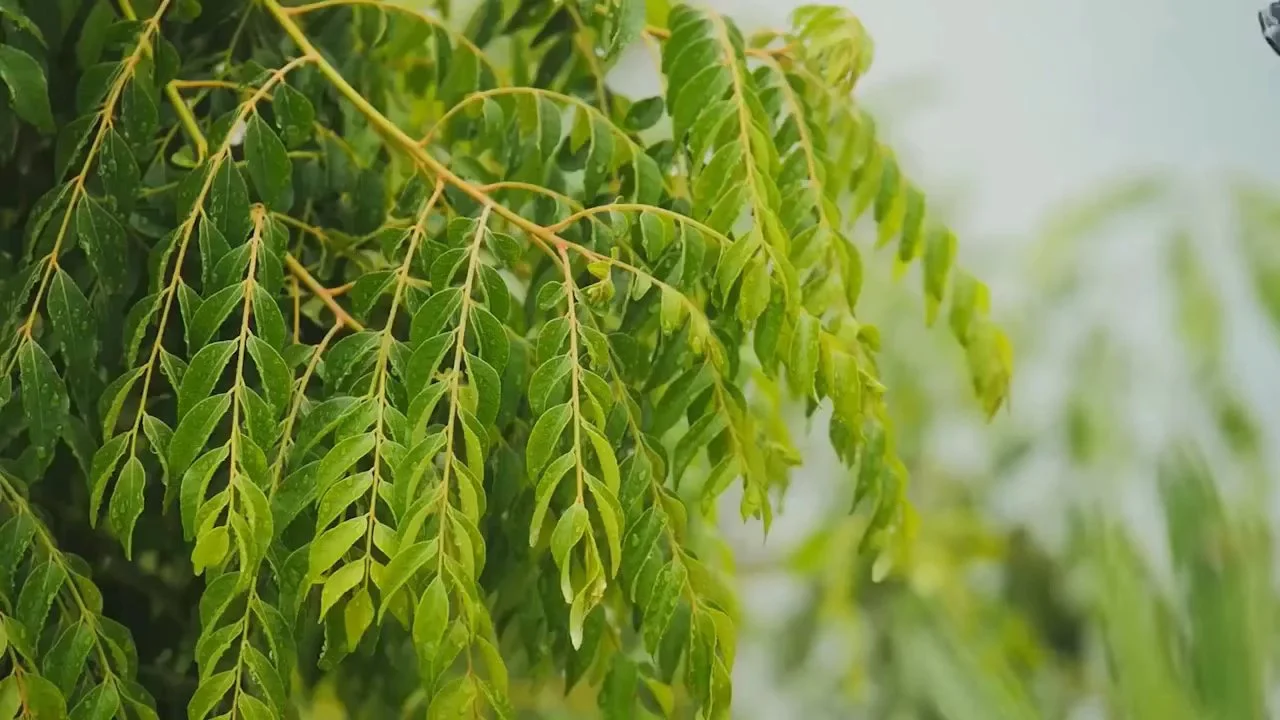
Ayurvedic herbs are chosen carefully based on the stage of CKD and the patient’s overall health. Commonly used herbs include:
Together, these herbs form the basis of herbal treatment for chronic kidney disease USA, working gently rather than aggressively.
In more advanced cases, specific formulations are selected as Ayurvedic medicine for kidney failure USA, always under professional supervision. Ayurveda does not promise overnight miracles; it works slowly and steadily, like a patient teacher.
If kidneys could talk, they would probably say, “Please stop making our job harder.”
Ayurvedic dietary guidance focuses on light, easy-to-digest foods that reduce toxin buildup. Heavy, salty, processed, and junk foods are discouraged. Fresh, warm, home-cooked meals are preferred to support digestion and kidney health. Food choices are adjusted based on creatinine levels, potassium balance, and digestive strength. Spices are used mindfully; not to add heat, but to aid digestion. Ayurveda also emphasizes eating calmly, because stress during meals directly affects digestion and kidney load.
A holistic kidney-care approach in Ayurveda also emphasizes daily routines. Proper sleep, stress reduction, gentle exercise, and hydration tailored to kidney function are all essential. Stress plays a bigger role in kidney disease than most people realize. Constant tension worsens digestion and Vata imbalance. Ayurveda encourages breathing exercises, meditation, or simply slowing down—no extreme workouts or exhausting routines.
This is a common and important question. Ayurveda does not replace emergency medical care, dialysis, or transplant when absolutely necessary. However, in many early and moderate stages, Ayurvedic Treatment for Chronic Kidney Disease in the USA focuses on slowing progression, managing symptoms, and improving quality of life. Many patients report stabilized creatinine levels, reduced swelling, better appetite, and improved energy. Results depend on disease stage, consistency, diet, and overall health. Ayurveda is not a shortcut; it’s a long-term commitment to healing.
One common myth is that Ayurveda and modern medicine are rivals. They are not. Many CKD patients in the USA use Ayurveda alongside conventional treatment under proper guidance.
Modern medicine manages emergencies and acute care, while Ayurveda works on root causes and long-term balance. The key is expert supervision; self-medicating with random herbs is risky and should be avoided.
When taken under the supervision of a qualified Ayurvedic doctor, treatment is generally considered safe. Herbs and formulations are chosen based on kidney reports and ongoing monitoring.
Ethical practitioners never ask patients to stop prescribed medicines abruptly or make unrealistic promises. Responsible guidance is essential for safe and effective care.
Living with chronic kidney disease affects energy, mood, diet, and long-term plans. Ayurvedic Treatment for Chronic Kidney Disease in the USA offers a gentler, more holistic path that looks beyond lab numbers and focuses on overall well-being. It doesn’t rush or shout. It works quietly on digestion, balance, and internal strength. And sometimes, that calm, patient approach is exactly what tired kidneys need.
Above all, Ayurveda reminds us that healing is not just about fixing organs; it’s about caring for the whole person. And that lesson is valuable for everyone.



At Karma Ayurveda, every patient is treated with care, honesty, and respect. Our team guides you at every step, from the first consultation to regular follow-ups, so you always feel supported on your wellness journey. Visit Karma Ayurveda and experience the riches of natural healing in its true form.

100 Church Street, Suite 800, New York, NY 10007

+1 9298008690
Copyright © 2026. All Right Reserved. Karma Ayurveda