 February 05, 2026
Let’s talk about something nobody casually brings up at the dinner table: foamy urine. You go to the bathroom, do your thing, glance down (as one does), and boom; your toilet suddenly looks like it’s auditioning for a bubble bath commercial. Awkward? Yes. Scary? Sometimes. A sign of the apocalypse? Absolutely not.
The good news is this: foamy urine is common, often harmless, and in many cases foamy urine treatment is quite easy. The even better news? You don’t need to panic-Google yourself into a medical drama at 2 a.m. Let’s calmly, simply, and with a bit of humor, figure out what’s going on and how to deal with it.
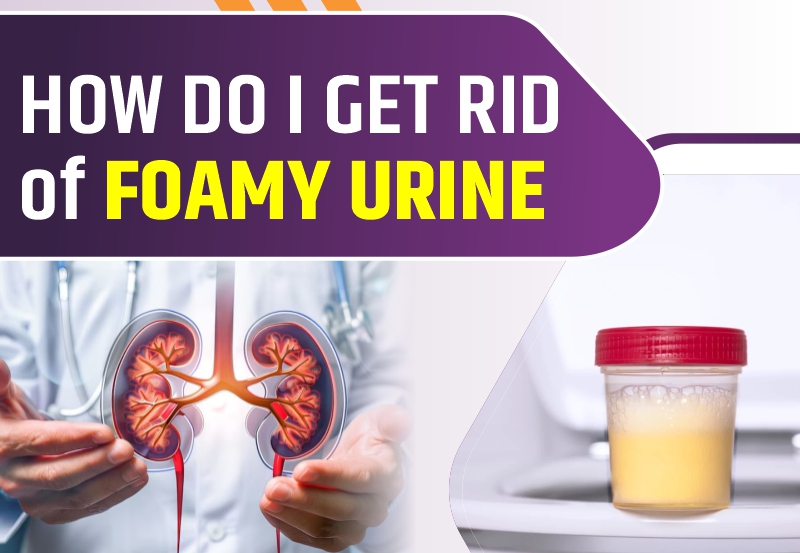
Foamy urine just means your urine looks bubbly or frothy instead of clear or pale yellow. Sometimes it disappears quickly. Sometimes it hangs around like an unwanted guest.
A little foam once in a while is normal. If you pee with strong pressure, the urine hits the toilet water like a mini waterfall. Water plus force equals bubbles. Basic physics. No illness required.
But if the foam keeps showing up again and again, especially thick, persistent foam, your body might be trying to send you a WhatsApp message. And unlike family group messages, this one should not be ignored.
Let’s start with the least dramatic explanations.
If foamy urine shows up regularly and doesn’t go away with better hydration, it may be linked to protein in the urine. This is called proteinuria, and it’s one of the most common medical reasons behind persistent foam.
Protein doesn’t belong in urine in large amounts. Healthy kidneys act like good security guards; they let waste out and keep useful things like protein inside the body. When kidneys are stressed or damaged, protein can leak into urine, creating foam.
This is where foamy urine treatment becomes more than just “drink more water and hope for the best.” It becomes about understanding what your kidneys are dealing with.
No. And this is important, so let’s say it again: no.
Foamy urine can be temporary and harmless. But if it is persistent, especially along with swelling in the feet, puffiness around the eyes, fatigue, or changes in urination, then it’s time to pay attention.
Conditions like diabetes, high blood pressure, kidney infections, and chronic kidney disease can cause protein leakage. That doesn’t mean you have these conditions. It means you should rule them out.
A simple urine test can check for protein. Simple. Quick. Not scary.
Now we get to the part you actually came for.
The right foamy urine treatment depends on the cause. There is no one-size-fits-all magic trick, no secret leaf that fixes everything overnight (sorry, the internet lied).
Here’s where things get practical.
These simple changes are often the most underrated treatment for foamy urine, because they don’t sound exciting. But they work.
Many people look for gentle, natural support, especially when symptoms are mild or early. Certain dietary adjustments, hydration habits, and stress reduction techniques fall under foamy urine remedies, and they can support overall kidney health when used responsibly.
However, natural does not mean “ignore medical tests.” Think of traditional approaches as supportive friends, not replacement doctors.
If you’re already diagnosed with kidney issues, always coordinate any alternative approach with a healthcare professional. Your kidneys prefer teamwork.
This is the million-rupee question. There is no single foamy urine cure because foamy urine itself is a symptom, not a disease. Fix the cause, and the foam usually disappears or reduces significantly.
For some people, the solution is as simple as hydration and lifestyle tweaks. For others, it involves managing an underlying condition long-term. Either way, improvement is very possible. Think of it less like deleting a problem and more like managing a relationship. Consistency matters.
See a doctor if foamy urine is persistent, thick, and doesn’t improve after a few weeks of good hydration and lifestyle changes. Also go if you notice swelling, fatigue, or changes in urine amount or color. These are clues, not accusations.
A urine test, blood tests, and sometimes imaging help identify the issue. Early action often means simpler foamy urine solution options and better outcomes.
Health anxiety is real. Googling symptoms usually turns a mild issue into an imaginary medical thriller. Foamy urine does not mean your kidneys are “failing tomorrow.” It means your body is communicating. Listening early is smart, not dramatic.
Most kidney-related issues progress slowly. Early awareness gives you time, choices, and control.
Foamy urine can be harmless. It can also be a helpful early warning sign. The trick is not to ignore it; but also, not to panic.
Start simple. Drink water. Observe patterns. Don’t self-diagnose doom.
If it persists, get checked. Follow a sensible foamy urine treatment plan based on real information, not internet fear.
Your kidneys quietly work 24/7, filtering about 180 liters of blood every day. A little respect, hydration, and care go a long way.
And next time you see bubbles in the toilet, you’ll know exactly what to do — without spiraling, without stress, and maybe even with a small smile.
Occasional foamy urine is usually harmless, but persistent foam may signal excess protein in urine and should be checked by a doctor.
Yes, not drinking enough water can concentrate urine and make it appear foamy; proper hydration often reduces it.
Staying hydrated, reducing salt intake, and managing blood pressure can help reduce foamy urine in many cases.




At Karma Ayurveda, every patient is treated with care, honesty, and respect. Our team guides you at every step, from the first consultation to regular follow-ups, so you always feel supported on your wellness journey. Visit Karma Ayurveda and experience the riches of natural healing in its true form.

100 Church Street, Suite 800, New York, NY 10007

+1 9298008690
Copyright © 2026. All Right Reserved. Karma Ayurveda